


Thailand Travel Guide: Best Hotels, Restaurants & Experiences 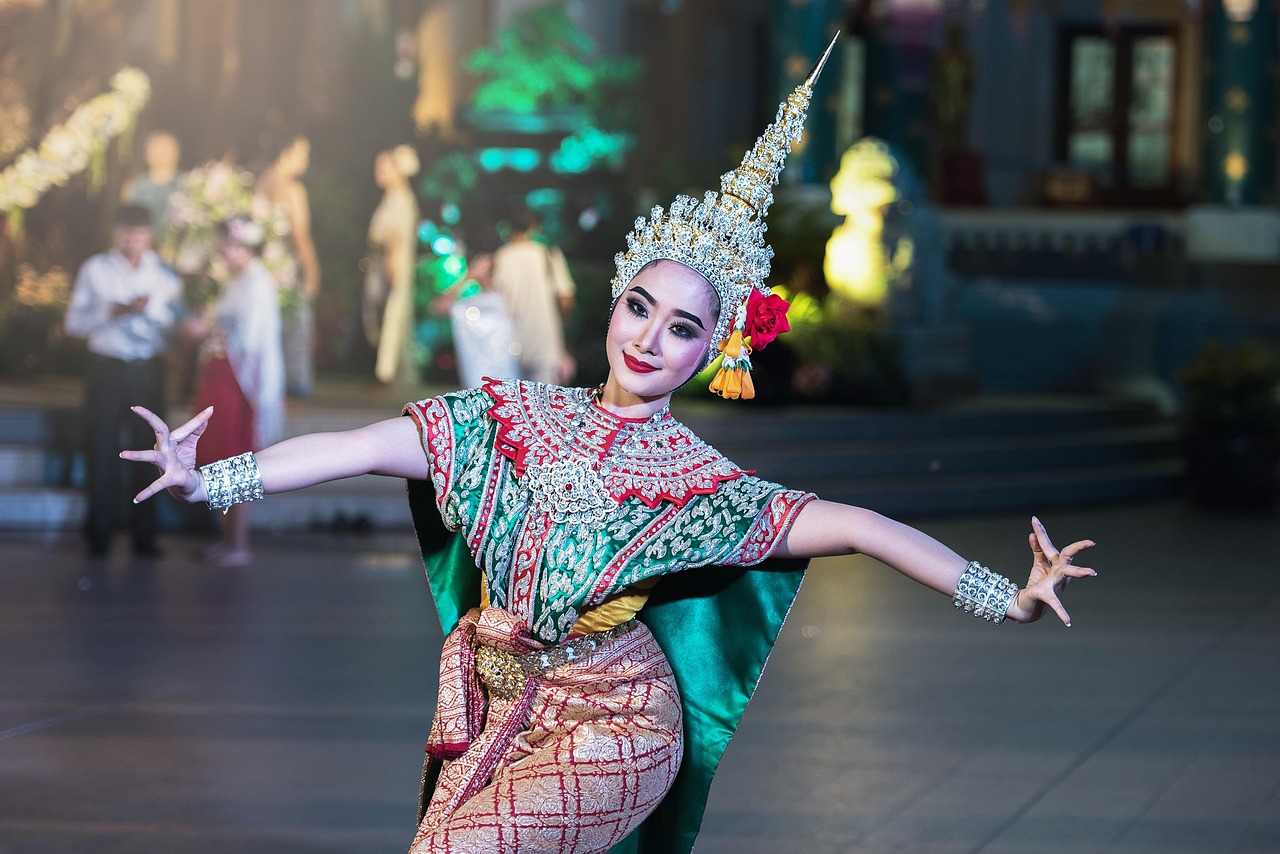

Our Reviews in Thailand

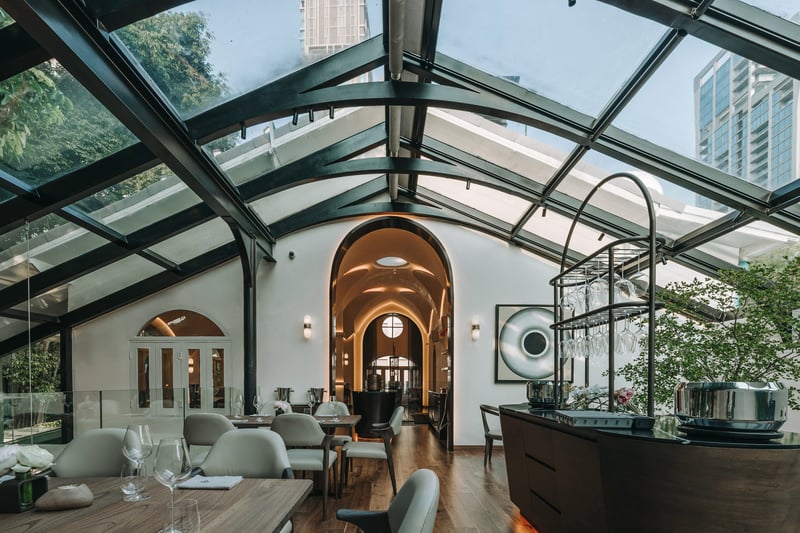
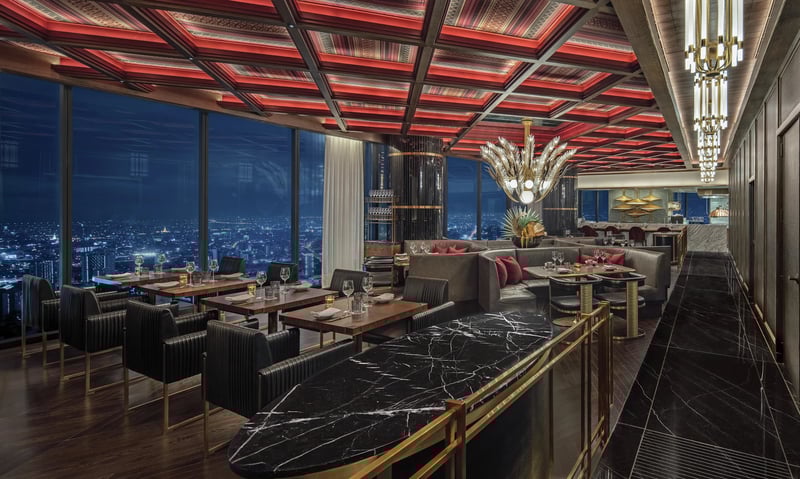
Bull & Bear: A Legendary Steakhouse in Bangkok, by Waldorf Astoria

HAŌMA in Bangkok: Where Indian Gastronomy Meets Sustainability

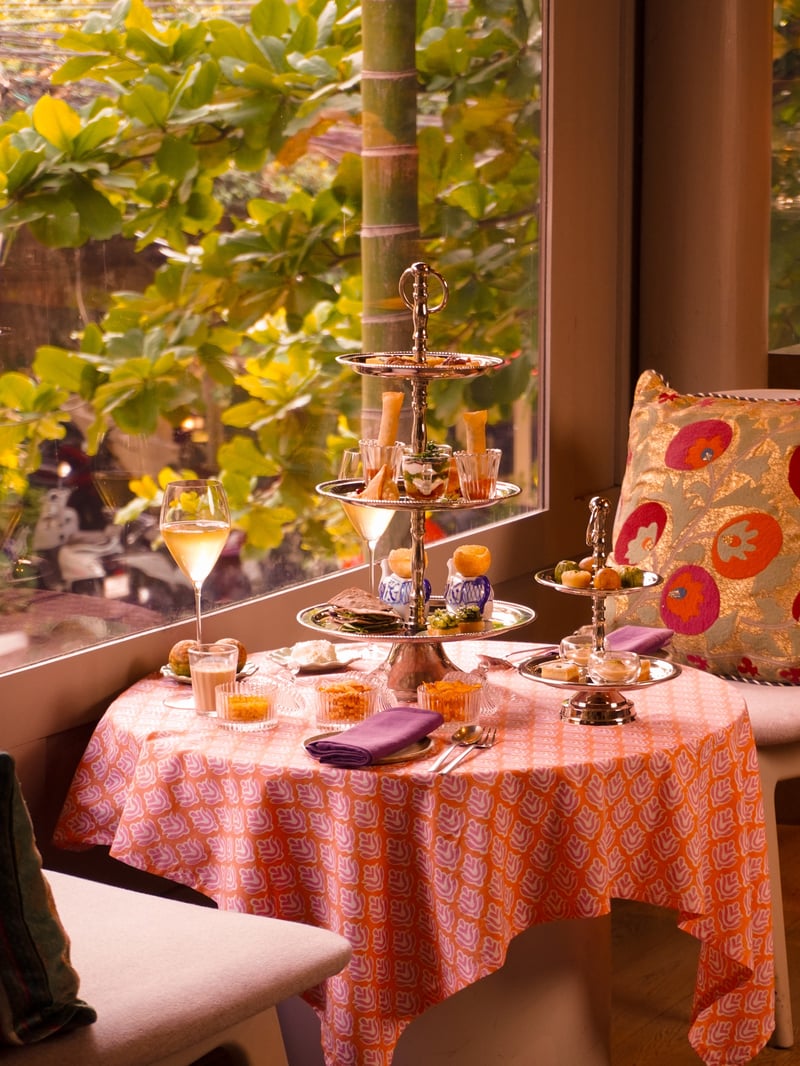
Gaa in Bangkok: The Afternoon Tea Reinvents Indian Flavors

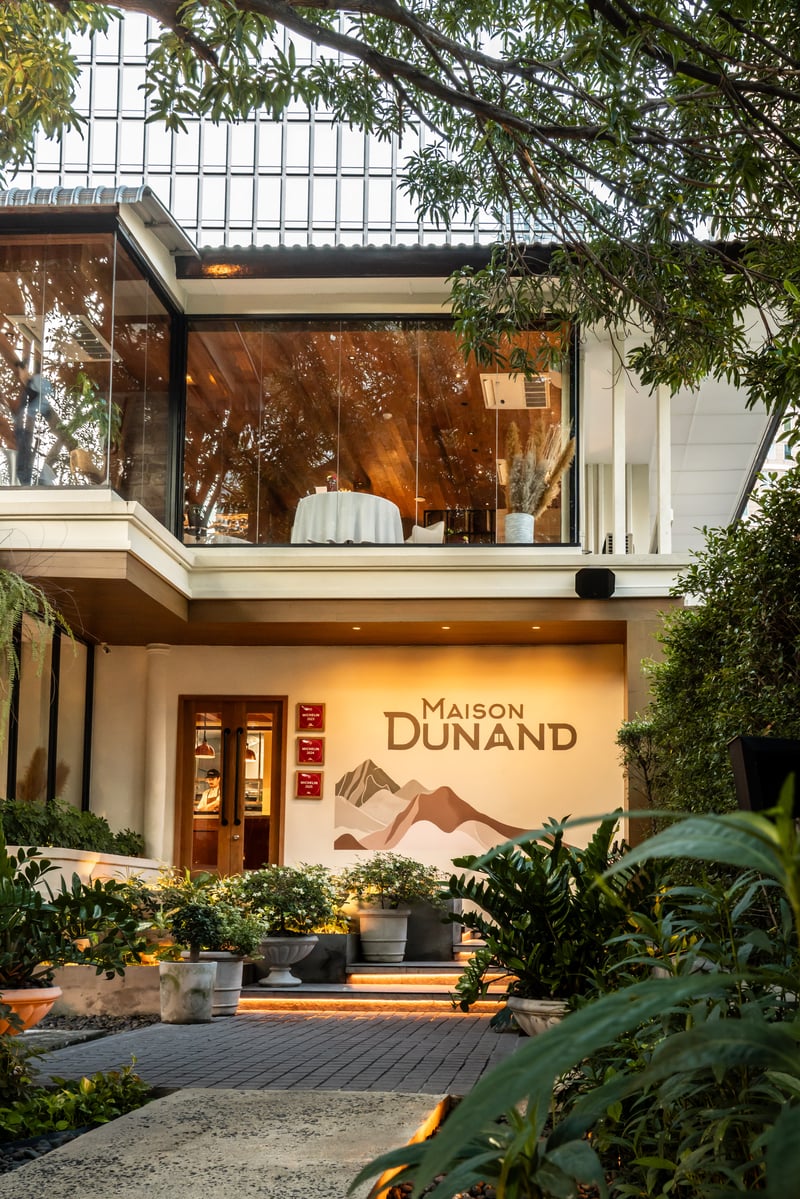
Maison Dunand in Bangkok: Between Alpine Traditions and Breton Flavors

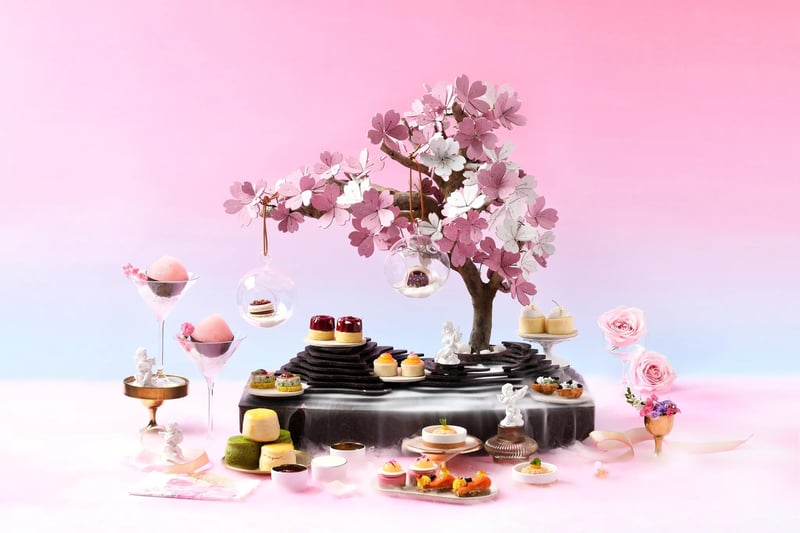
Sindhorn Kempinski Hotel Bangkok: An Afternoon Tea with Floral Flavors
Showing 6 of 57
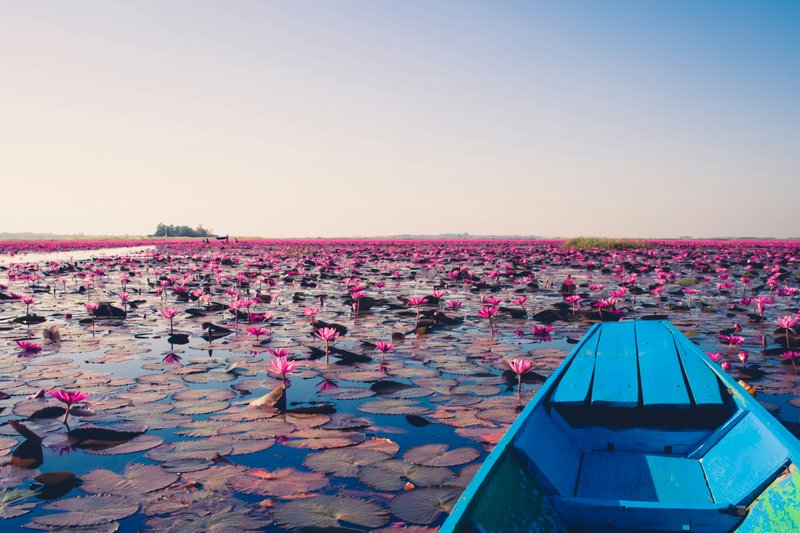
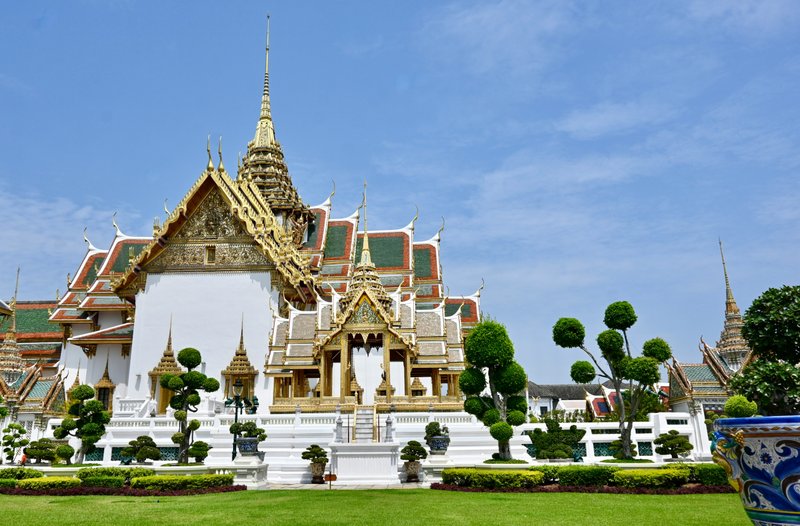
Thailand
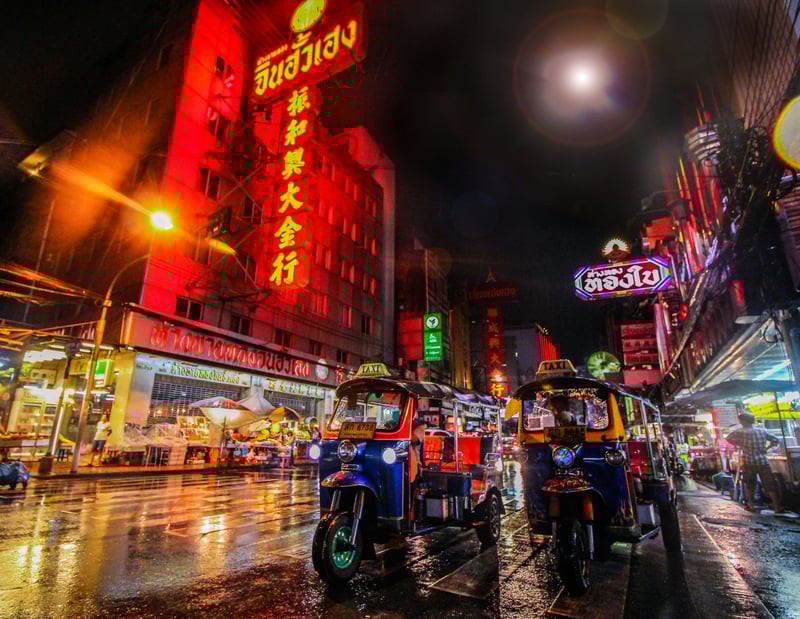
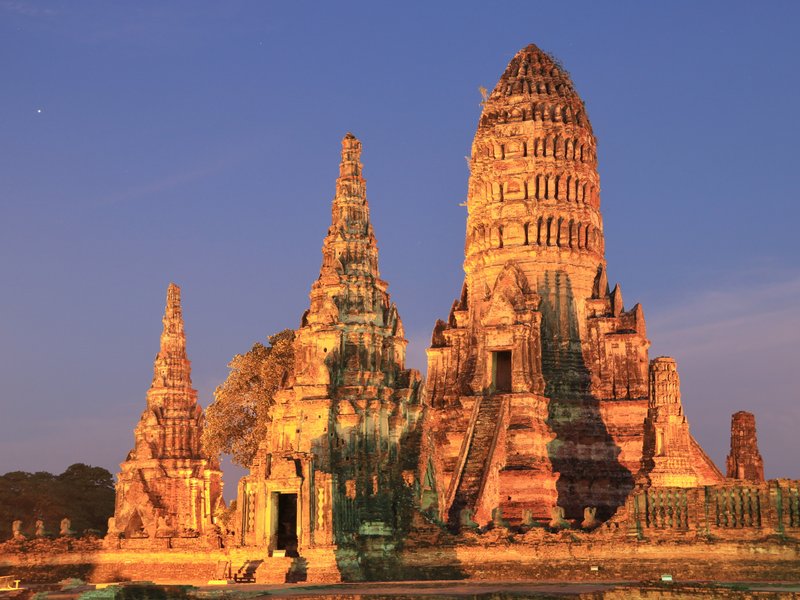
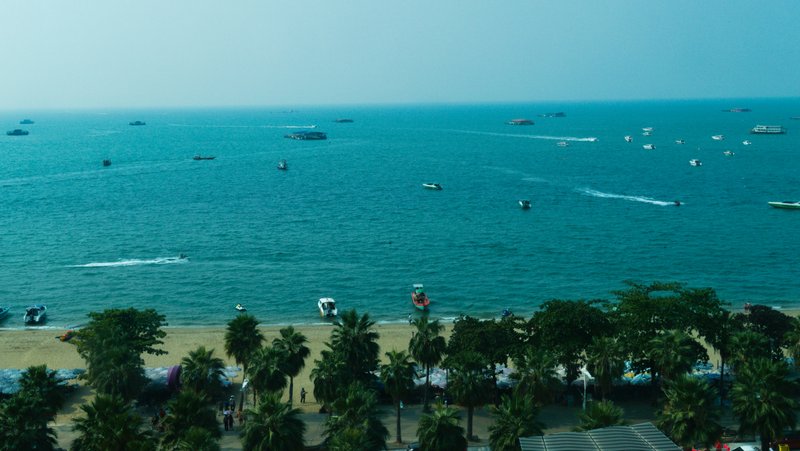
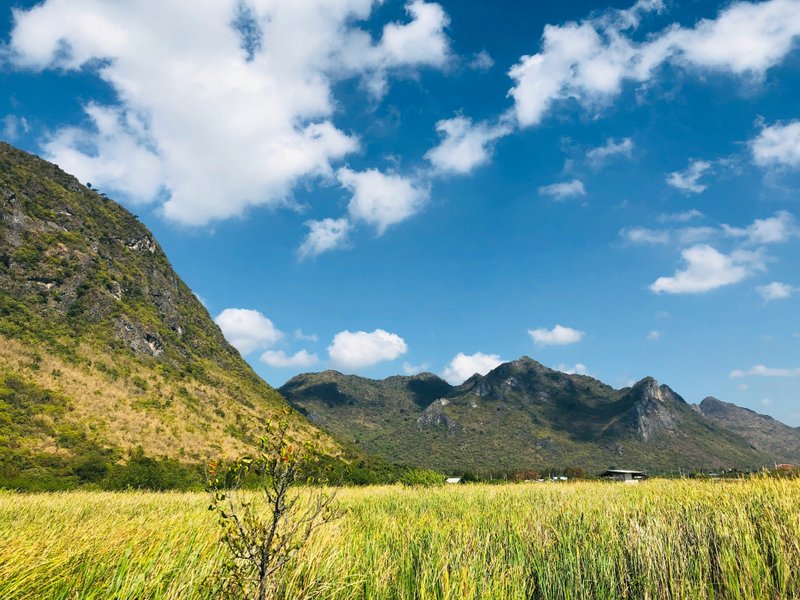
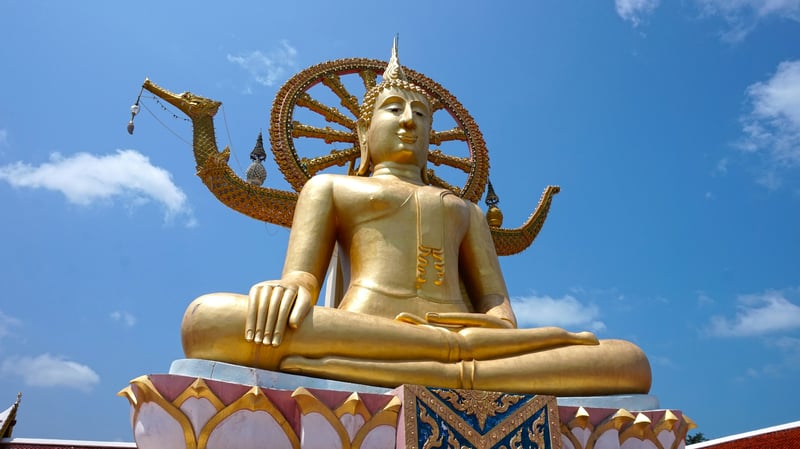
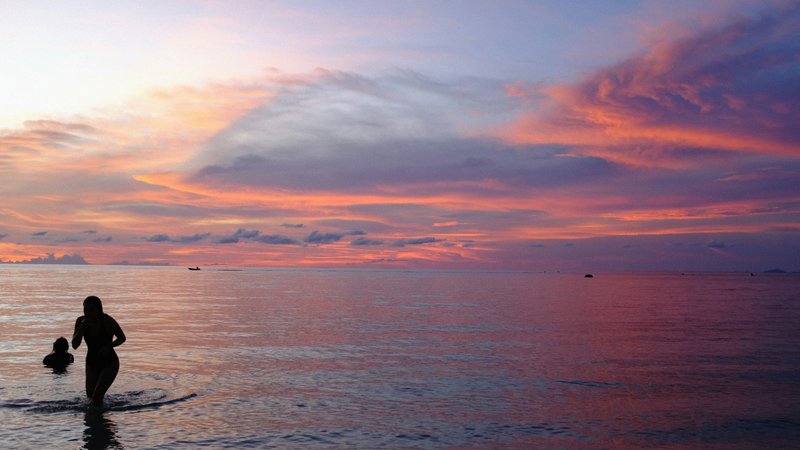
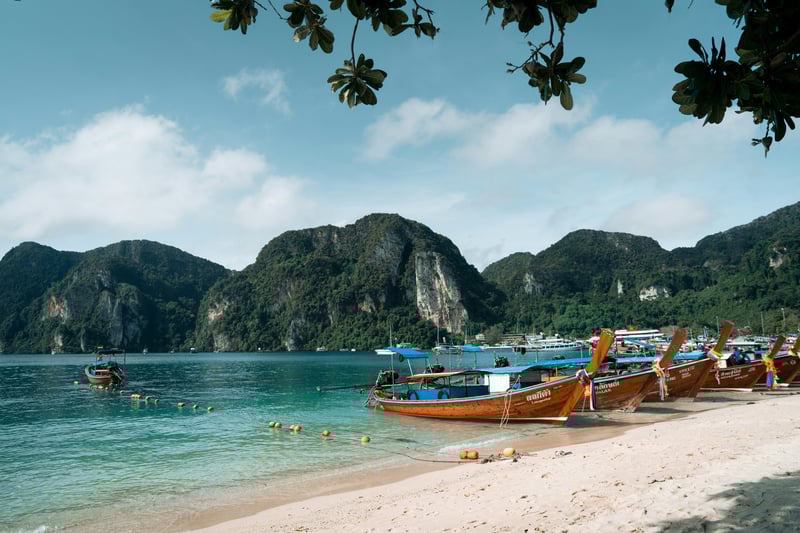
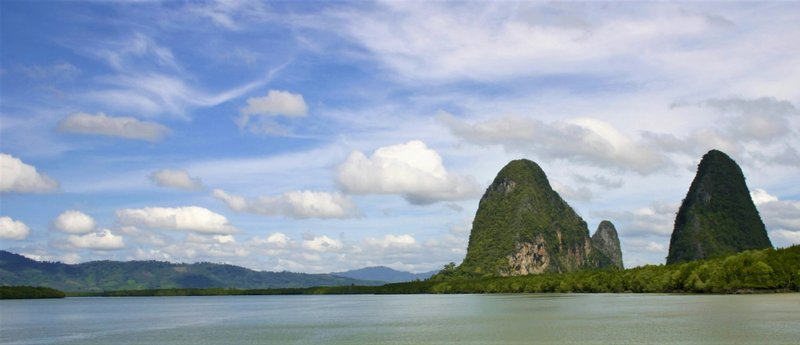
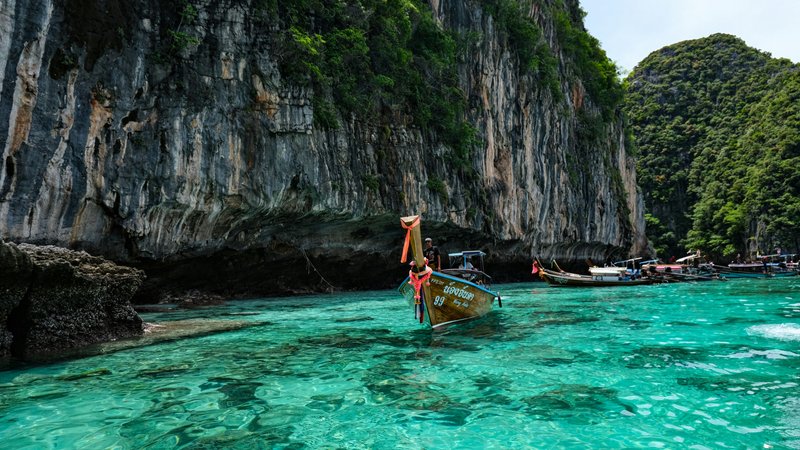
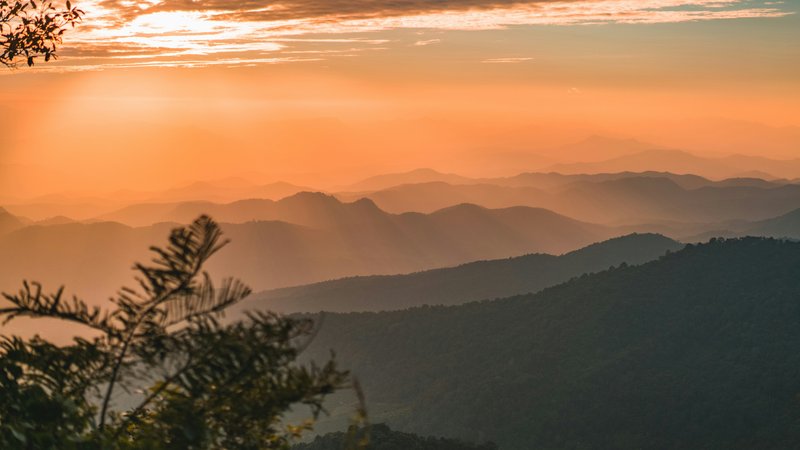
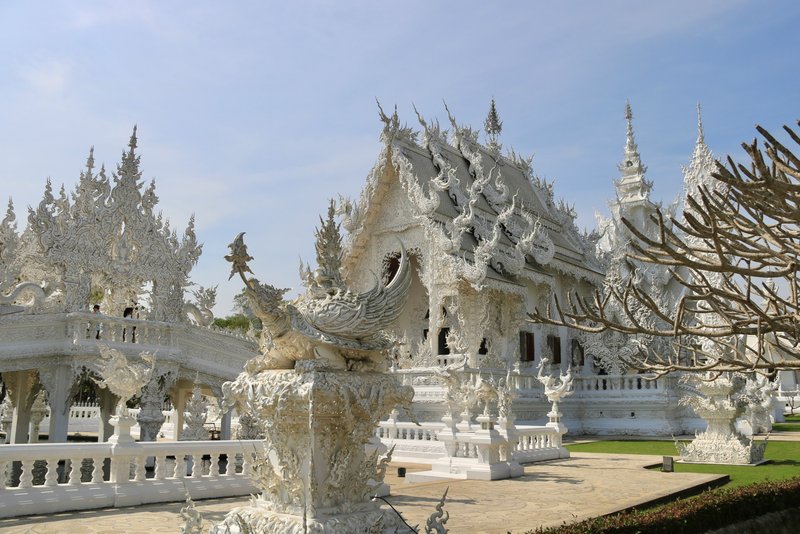
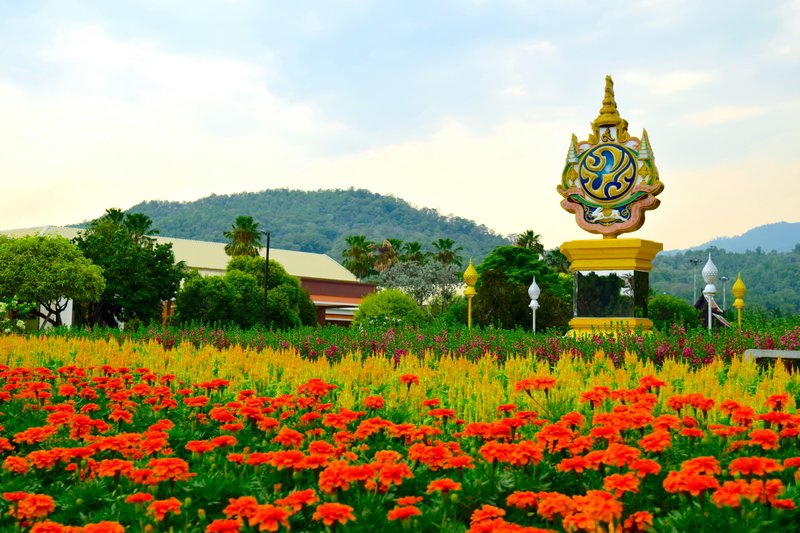
Thailand balances monsoon-fed jungles with metropolitan sprawl, Buddhist temple architecture with glass-tower skylines. Bangkok's Chao Phraya River divides old royal districts from Sukhumvit's business corridors; Chiang Mai's moat-ringed Old City sits beneath Doi Suthep's forested slopes; Phuket's western beaches face the Andaman Sea while the east holds working ports. The kingdom's position between Cambodia, Myanmar, and Malaysia has shaped centuries of trade, cuisine, and religious practice — gilded stupas mark crossroads, spirit houses stand outside tower blocks, and shophouse districts hold family-run workshops unchanged since the mid-twentieth century.
The hotel scene reflects this layering: teak pavilions converted into heritage properties in Ayutthaya, minimalist concrete resorts on Koh Samui's quieter bays, colonial-era buildings repurposed as boutique stays along the Ping River. Bangkok concentrates rooftop bars, omakase counters, and chef-driven Thai restaurants in Sathorn and Thonglor; island properties lean toward beachfront grills and sunset-view dining rooms. Northern cities favor khao soi and sai ua alongside third-wave coffee shops; southern provinces serve Phuket-style hokkien noodles and crab curries in open-air pavilions facing the sea.