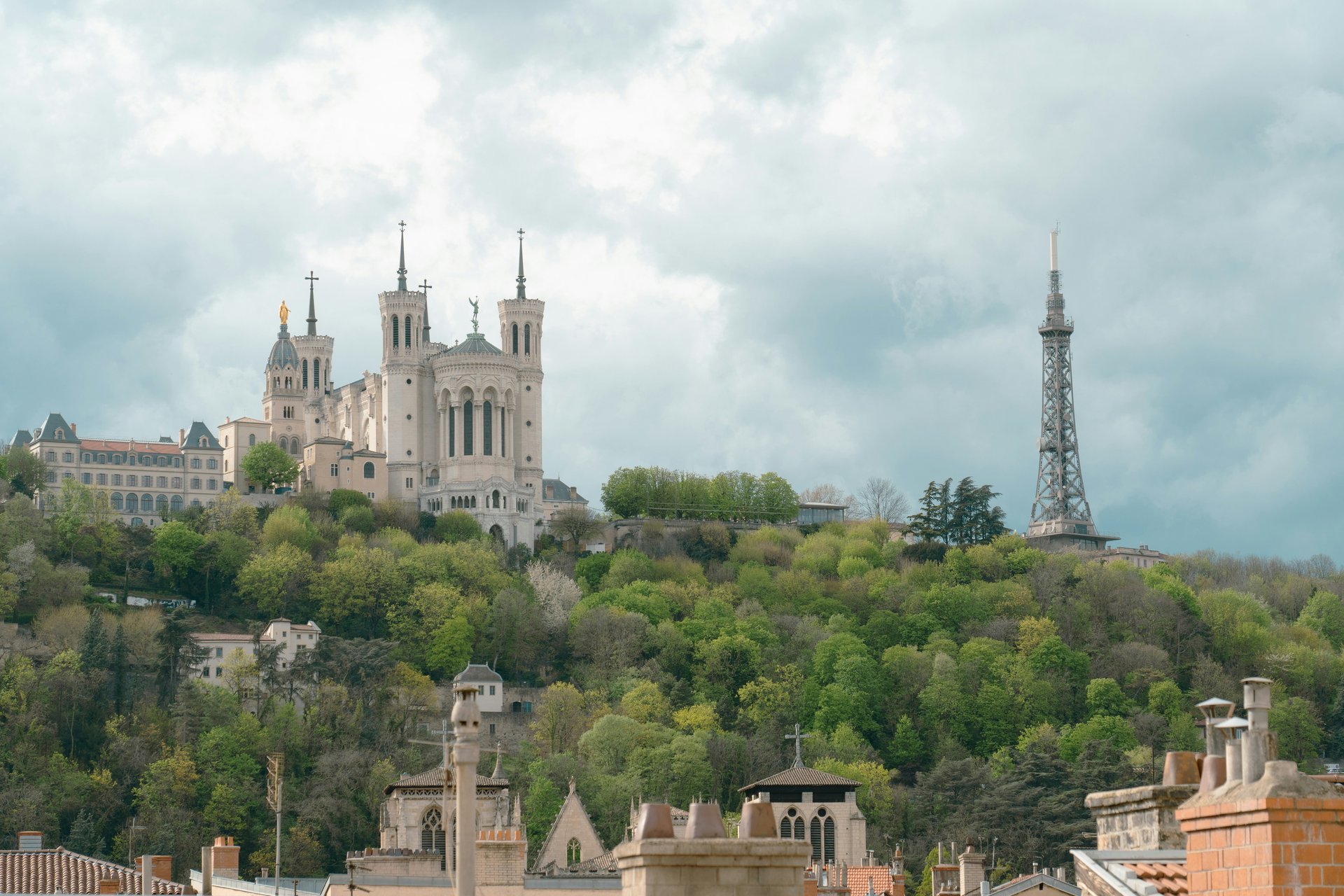
Lyon sits at the confluence of the Rhône and Saône, a geography that shaped its role as a trading crossroads since Roman times. The Presqu'île forms the commercial spine between the two rivers, while Vieux Lyon on the western bank preserves Renaissance traboules—covered passageways once used by silk merchants. Fourvière hill rises above with its basilica and Roman theaters; across the Rhône, the former industrial quarters of La Guillotière and the Part-Dieu district pulse with contemporary energy. This layered urbanism means the best historic hotels occupy converted silk workshops and 19th-century palaces, while design hotels have colonized post-industrial spaces near Confluence.
The city earned its reputation as France's gastronomic capital through the bouchon tradition—unpretentious taverns serving quenelles, tablier de sapeur, and local Beaujolais—and through chefs who trained here before conquering Paris. Paul Bocuse's legacy still radiates from Collonges-au-Mont-d'Or, but today's scene spans omakase counters in the 6th arrondissement to natural wine bars along the Saône quays. Morning markets at Les Halles de Lyon Paul Bocuse supply both home cooks and professionals with Saint-Marcellin cheese, Bresse chicken, and rosette de Lyon. For a full survey of the dining landscape, see our guide to the best restaurants, or browse the best hotels for stays that match the city's culinary ambition.