Skip to content

Bangkok

Explore Bangkok Historic Hotel

Hotels (6)
Verified
3 Michelin Keys· Forbes Five-Star · Verified

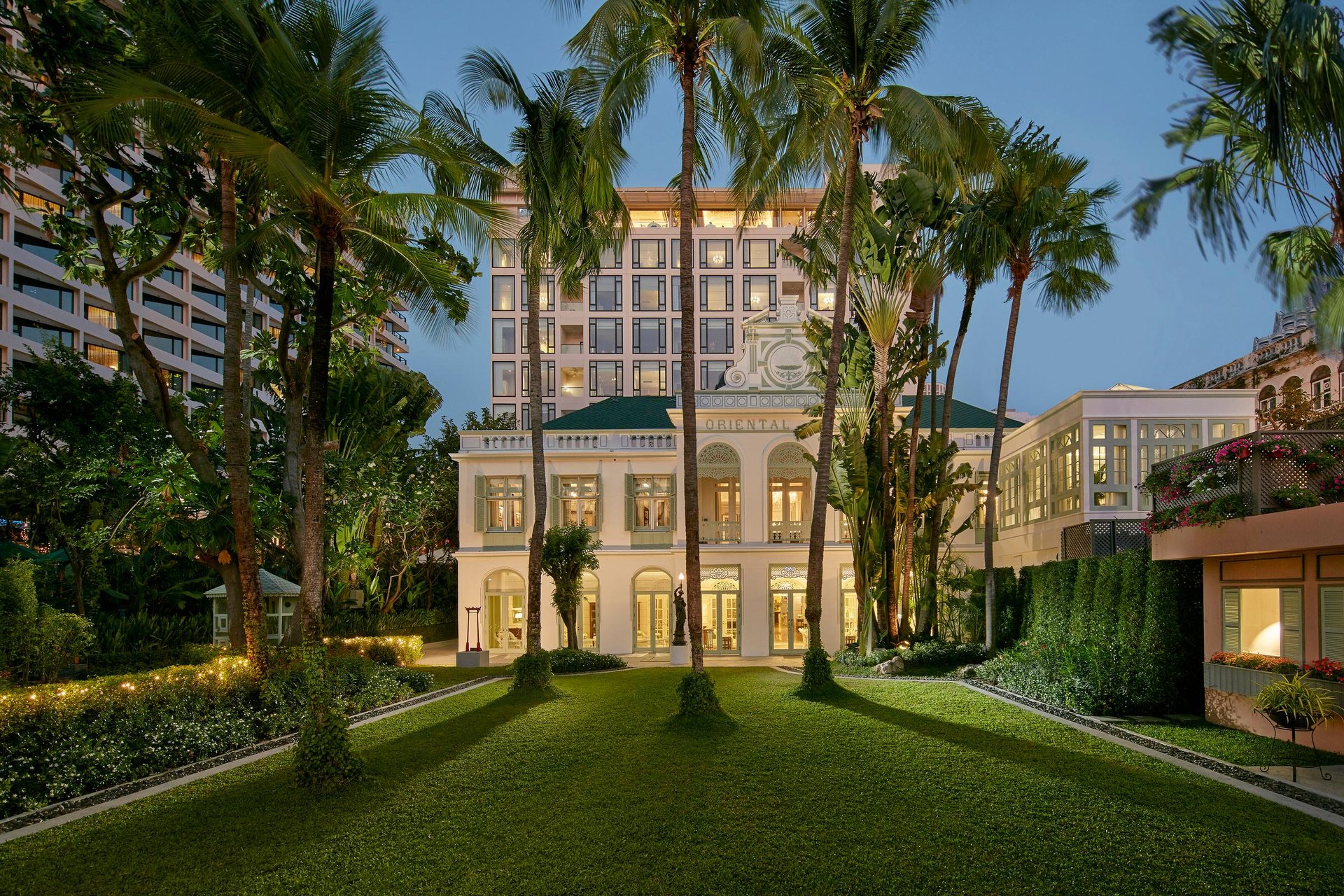
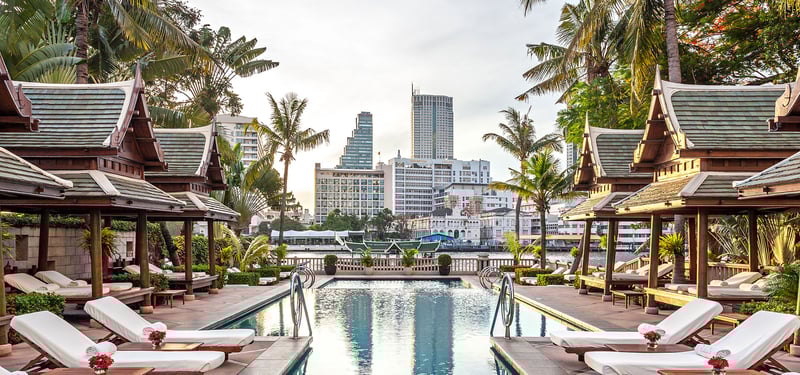
Bangkok's grande dame has occupied its Chao Phraya River site for nearly 150 years, hosting everyone from Joseph Conrad and Graham Greene to Thai royalty. The restored Victorian wing anchors three structures connected by carved wooden pontoons, with butler service throughout 331 rooms. Le Normandie holds one Michelin star; Sala Rim Naam, reached by shuttle boat alongside the 14-room spa, delivers traditional Thai dining with cultural performances.

2. Inn A Day (Thailand)

A 1930s riverside building transformed into an eight-room family operation, Inn A Day occupies prime riverfront territory directly facing Wat Arun's illuminated spires. The compact scale allows for attentive service across suites fitted with contemporary amenities, including a fourth-floor duplex and interconnecting configurations for multigenerational stays. Its Chao Phraya position delivers unobstructed temple views from a quietly managed base that prioritizes architectural heritage over scale.

3. Riva Arun Bangkok

A beautifully restored Chinese shophouse on the Chao Phraya holds just 25 rooms, each with floor-to-ceiling windows framing Wat Arun's iconic spire across the water. Elegant interiors blend minimalist design with Chinese accents, while suites add private balconies and outdoor jacuzzis. Above Riva rooftop restaurant commands a sweeping river panorama, serving modern Thai cuisine—perfect for couples seeking riverside romance in Bangkok's historic quarter.

4. Ariyasom Villa

A Second World War-era family home transformed into a 24-room heritage hotel, Ariyasom Villa preserves classic Thai aesthetics within its tranquil garden setting. The intimate property centers on Na Aroon restaurant, serving seafood and vegetarian cuisine, while its pool and connecting rooms suit families seeking respite from downtown Bangkok's intensity. The quiet, boutique scale offers an alternative to the city's conventional hotel landscape.

5. Bangkok Publishing Residence (Bangkok)

A former printing press that once churned out popular Thai magazines, this Lan Luang Road shophouse now operates as an intimate adults-only retreat blending hotel, museum, and artist residence. The meticulous restoration preserves the building's editorial heritage while delivering refined rooms that rival Bangkok's larger luxury properties. Best suited to couples and culture-seekers drawn to historic character over conventional five-star scale.

6. Siri Sala Private Thai Villa

Three tilting wooden structures glimpsed from a longtail boat led a Thai-Filipino couple to this property, occupied by one family since King Rama VI's reign. Five years of meticulous restoration yielded a whitewashed villa where earthenware jars serve as scoop showers and salvaged timber frames a jazz bar hung with crystal chandeliers. The White Lotus cast chose it during filming—monks still pass each morning collecting alms.

Frequently Asked Questions

Which Bangkok neighborhoods have the highest concentration of historic hotels?

+

The Chao Phraya riverside between Saphan Taksin and Memorial Bridge contains the greatest density, particularly along Charoen Krung Road. The Dusit district near the old royal palaces and Bang Rak's European quarter also preserve significant heritage properties, many dating from the late 19th and early 20th centuries.

What architectural styles define Bangkok's heritage hotels?

+

Most combine traditional Thai elements—peaked roofs, teak construction, open-air pavilions—with colonial influences from British, Portuguese, and French trading periods. Common features include covered verandahs designed for monsoon seasons, terrazzo flooring, ceiling fans, and interior courtyards that predate modern air conditioning.

Are historic hotels in Bangkok suitable for families with children?

+

Several heritage properties welcome families, though room configurations vary significantly. Converted residences often feature interconnecting suites or garden bungalows with more space than standard rooms. River-facing properties typically offer boat excursions to temples and markets that engage younger travelers with the city's waterway culture.