


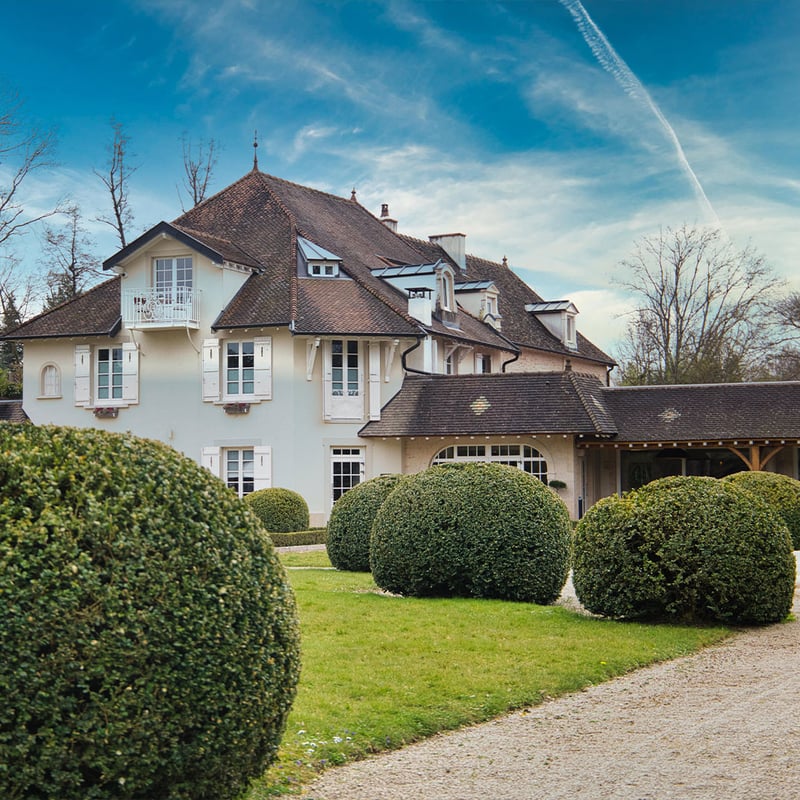
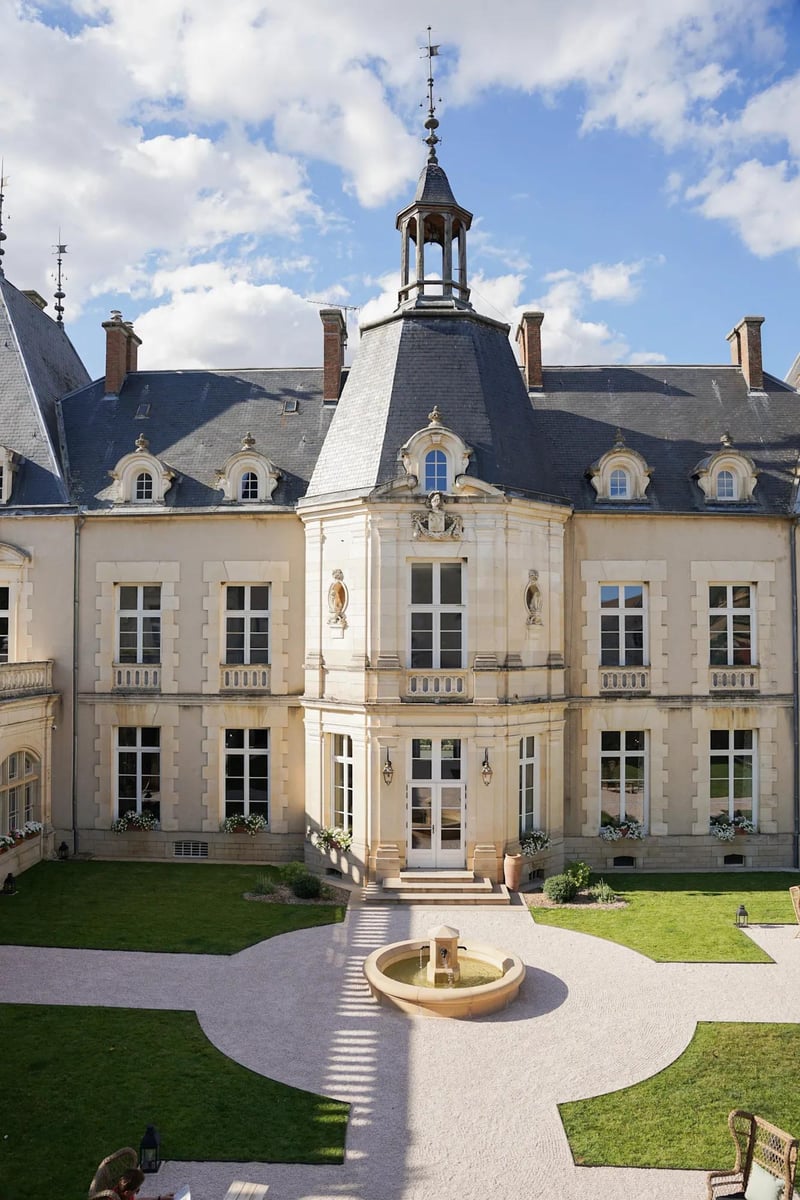
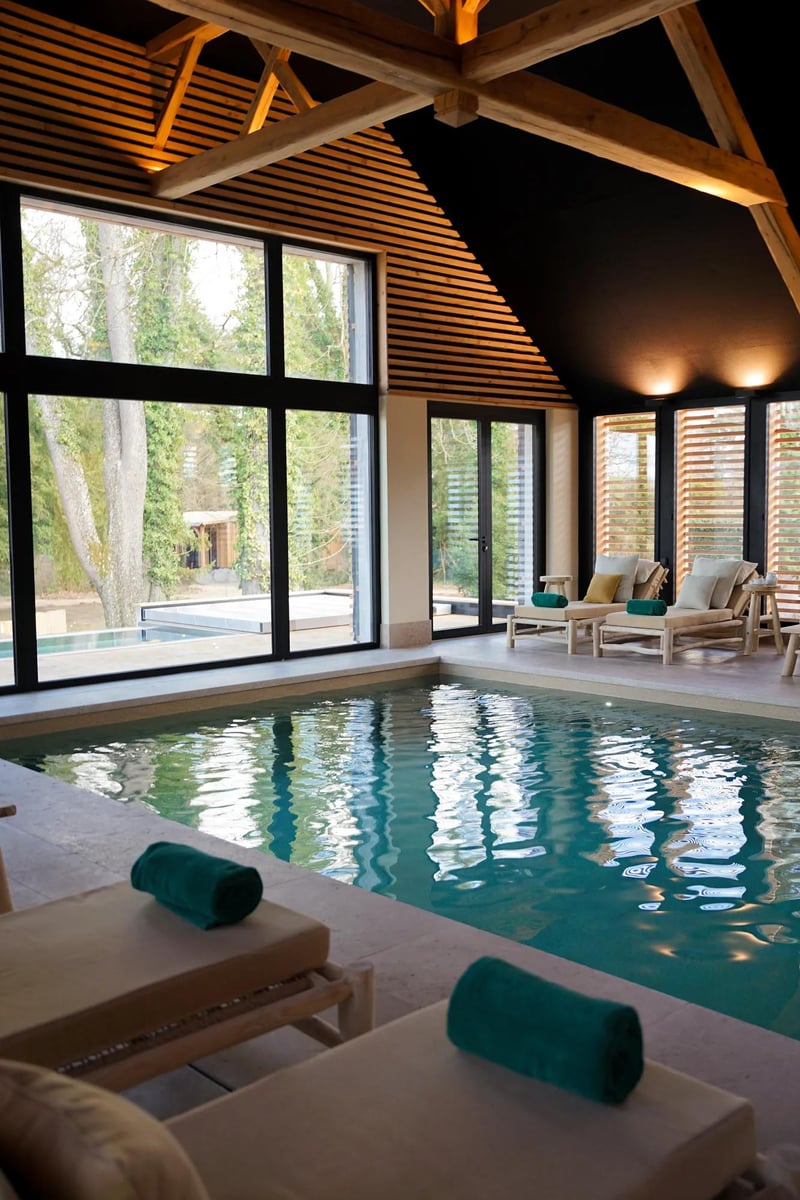
Five minutes from Beaune, this 18th-century Relais & Châteaux villa commands a seven-hectare park shaded by century-old magnolias and a heritage orchard. Chef Philippe Augé's one-Michelin-star La Table de Levernois celebrates Burgundy's terroir, while the Bistrot du Bord de l'eau serves œufs Meurette in the original 1750 kitchen. Seven eco-designed treetop villas offer 120-square-metre retreats with park-view terraces, and the Sisley spa features an indoor-outdoor pool amid flowering gardens.
Beaune Travel Guide: Best Hotels, Restaurants & Experiences 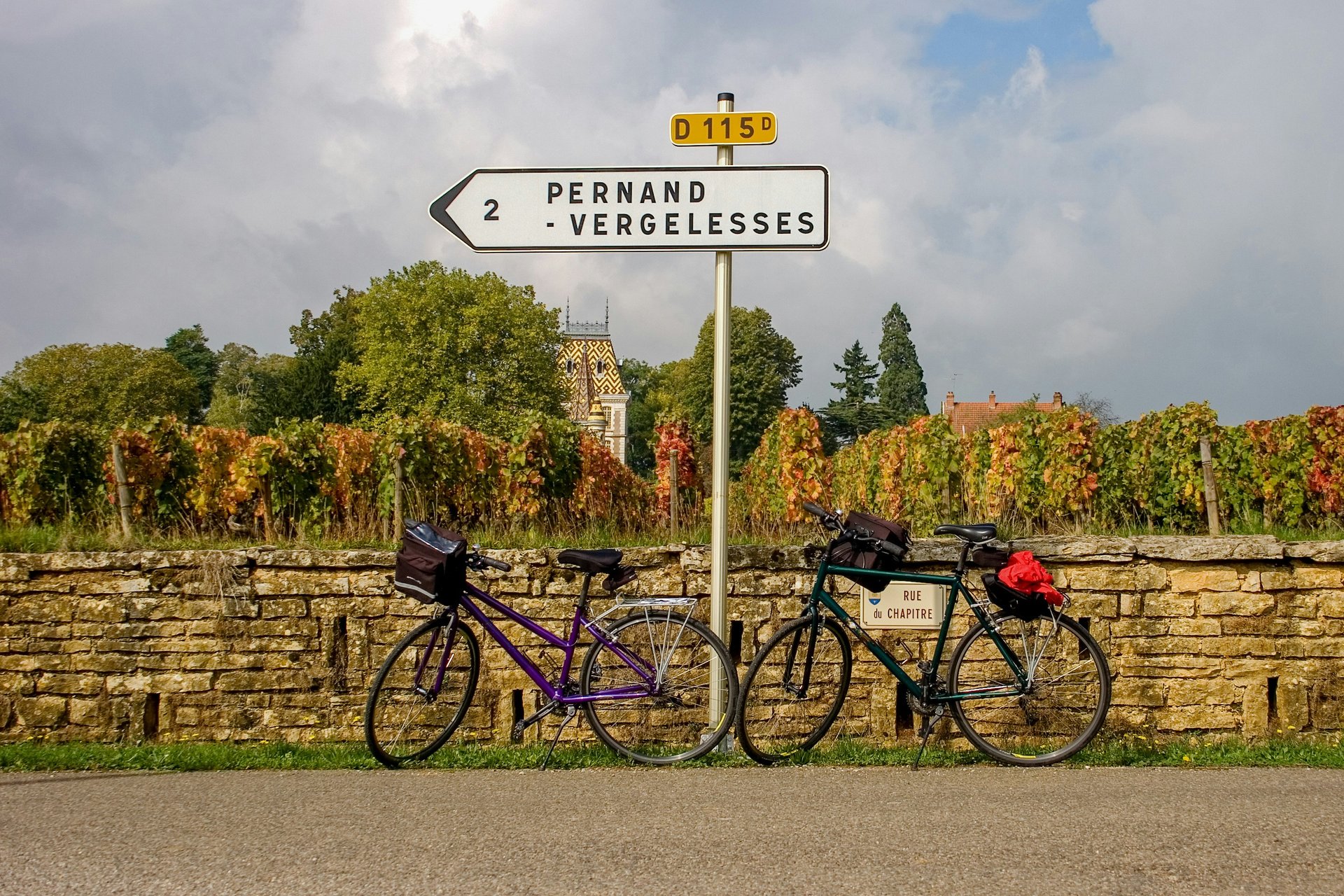
Explore Beaune
Hotels (6)
Restaurants (10)
Spa (1)
Where to Stay

Relais & Châteaux
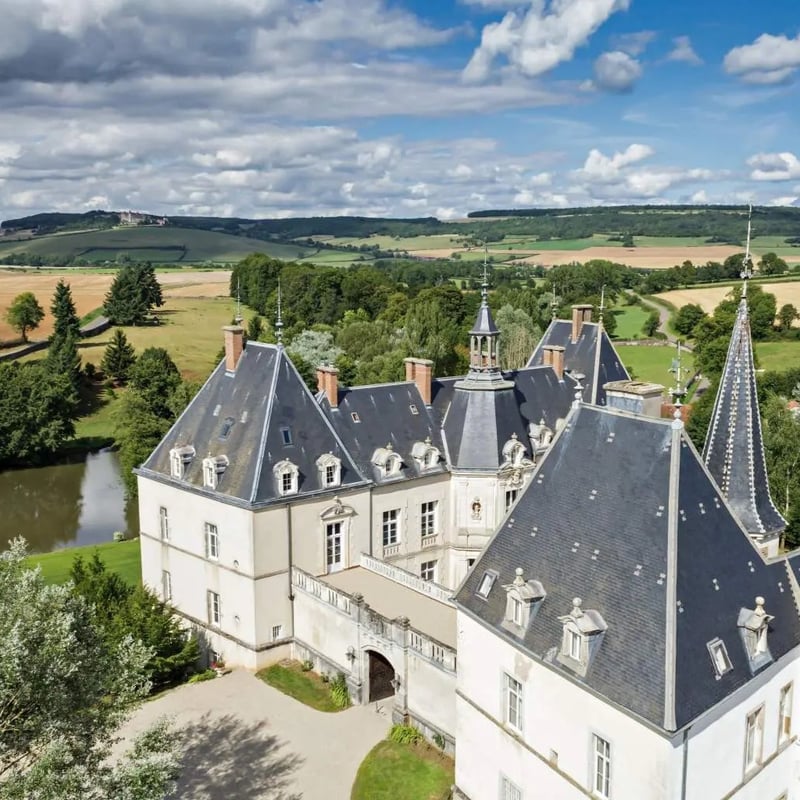
A rare example of preserved bastion architecture, this Renaissance château commands twenty acres of parkland along the Canal de Bourgogne, where thirty deer roam freely beneath ancient trees. The former hunting lodge now serves as an atmospheric bar with fireplace views of the grounds, while Lassey Restaurant presents seasonal Burgundian cuisine overlooking the hilltop village of Châteauneuf-en-Auxois. An elegant base for exploring the region's prestigious vineyards.

Small Luxury Hotels
Several historic buildings converge around romantic courtyards where Renaissance sculptures and trompe-l'oeil details set a distinctly theatrical tone. The restaurant pours over seventy Burgundies by the glass alongside traditional gourmet cooking, while mornings begin in a vaulted cellar or beside a sixteenth-century artesian well. The Marie de Bourgogne spa introduces cryotherapy treatments, and a glass elevator rises to panoramic tower views—a refined base for wine-country exploration.

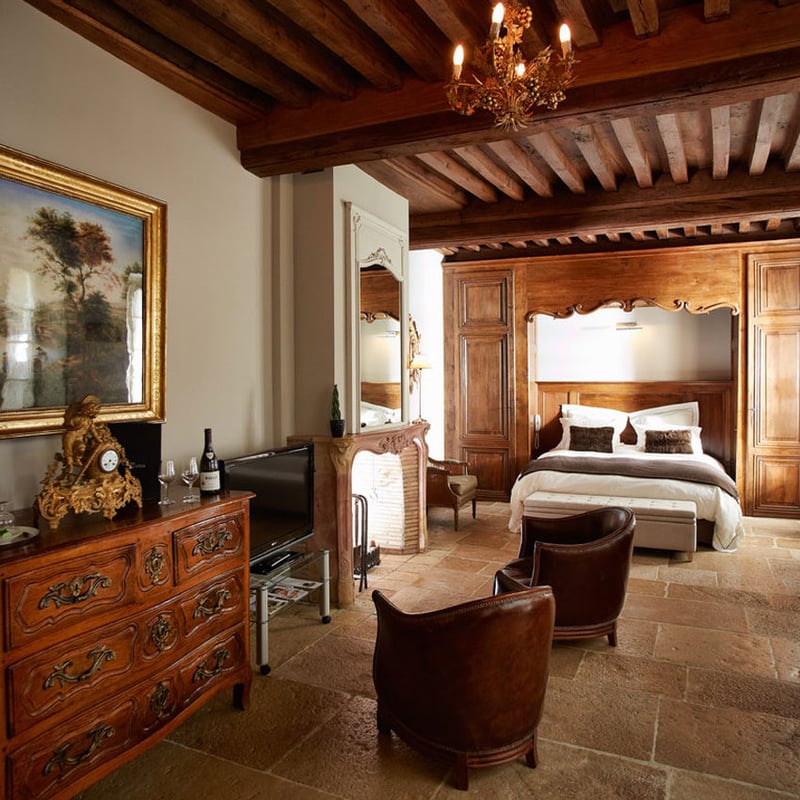
A 14th-century townhouse turned five-room bed and breakfast, Le Clos Sainte-Marguerite trades visibility for intimacy steps from Beaune's historic centre. Period furniture, exposed timbers and Murano glass set the tone; roll-top baths and a 110-square-metre duplex suite deliver quiet luxury. Breakfast draws on local Burgundy producers, while the surrounding streets supply Michelin-listed restaurants and cellar doors for those exploring the wine capital on foot.

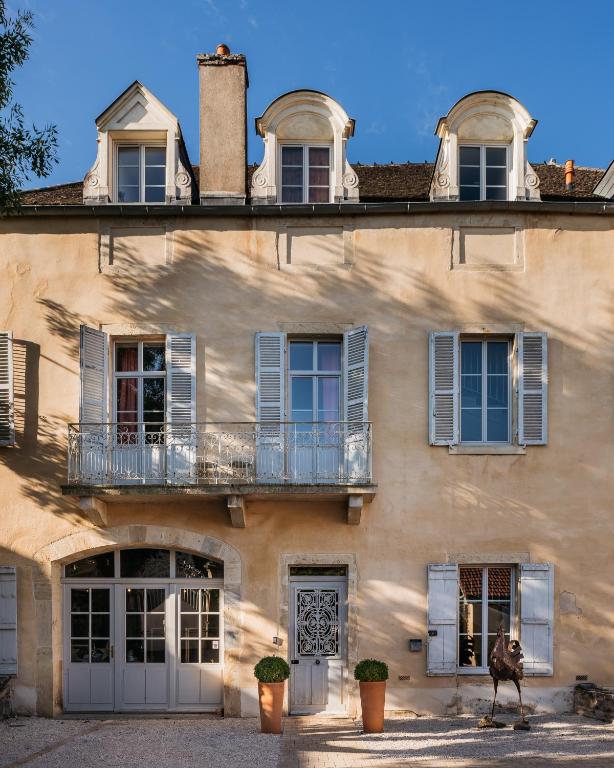
An 1835 manor house in Pommard, this eleven-room retreat balances period architecture with contemporary interiors. The spa overlooks surrounding vineyards—fitting, given the estate's access to celebrated Pommard wines. A seasonal restaurant showcases regional cuisine, while gardens and a tennis court extend the grounds. Burgundy enthusiasts seeking an intimate base for exploring the Côte de Beaune will find an ideal anchor here.

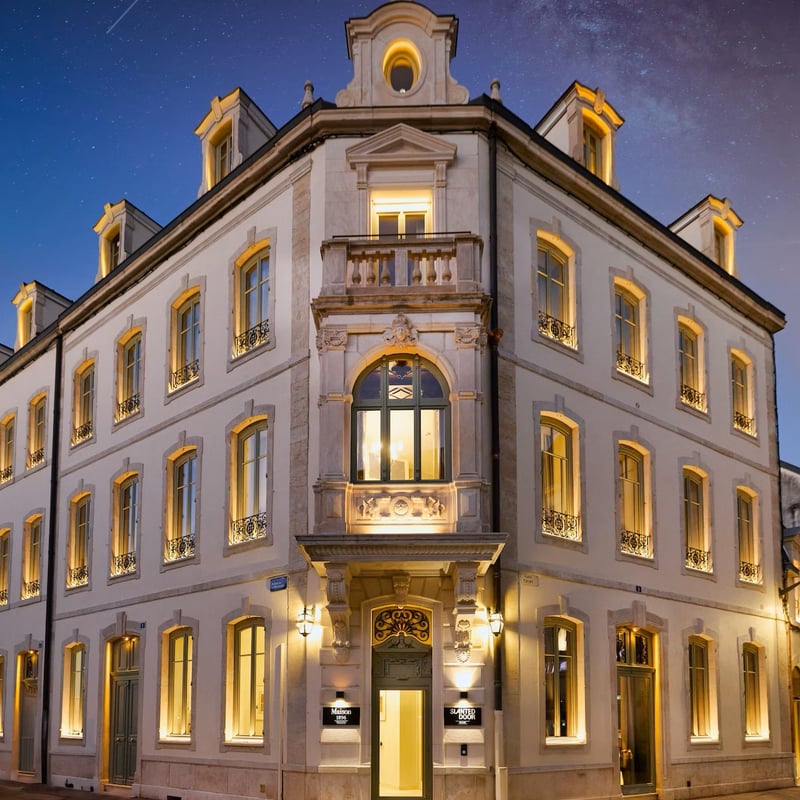
A collaboration between Mirabel Hotel & Restaurant Group and a local fifth-generation winemaking family, this 16-room boutique hotel occupies a Beaux-Arts corner building updated with contemporary flair by a California designer. Original oak beams and dormer windows contrast with heated limestone floors and custom beds, while the Vietnamese restaurant—conceived by the late James Beard Award–winning chef Charles Phan—brings unexpected culinary diversity to medieval Beaune. Pet-friendly throughout.
Where to Eat

★★★ Michelin· Relais & Châteaux
South of Beaune, this three-Michelin-starred table has anchored Burgundian gastronomy since appearing in the 1900 guide. Chef Éric Pras, MOF and alumnus of Troisgros and Bernard Loiseau, channels the region's riches—snails, Bresse poultry, Charolais beef—through precise, contemporary technique. His blue lobster à la bourguignonne has become legendary. Warm, individually dressed dining rooms and an exceptional wine program by the glass complete the experience.

★ Michelin
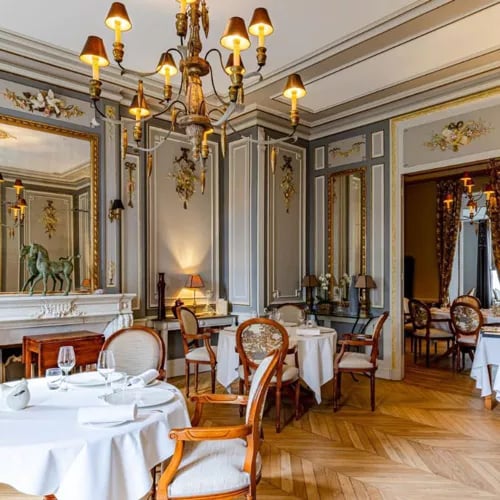
Chef Jordan Billan earned his Michelin star in 2022 with Burgundian cooking that names local producers directly on the menu. The dining room occupies an 1876 winegrower's manor preserving original wood paneling and parquet, while summer service moves to a shaded park terrace. Signature plates include matured Charolais beef with bone marrow and pigeon smoked over vine shoots, supported by a 600-reference wine list weighted toward Burgundy estates.

★ Michelin
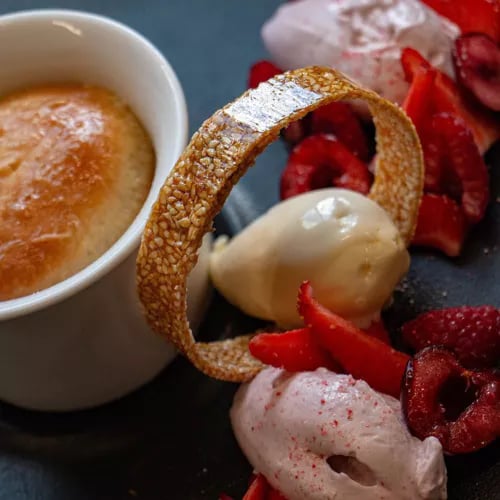
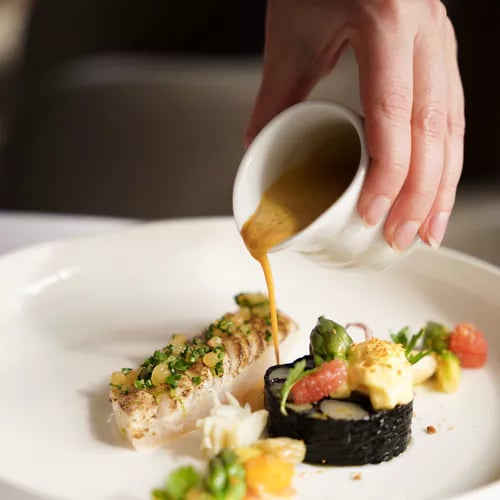
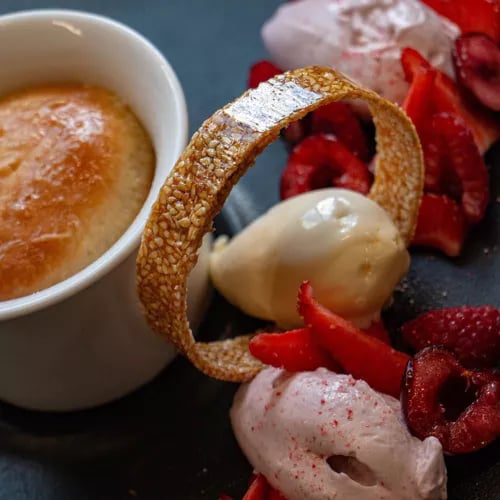
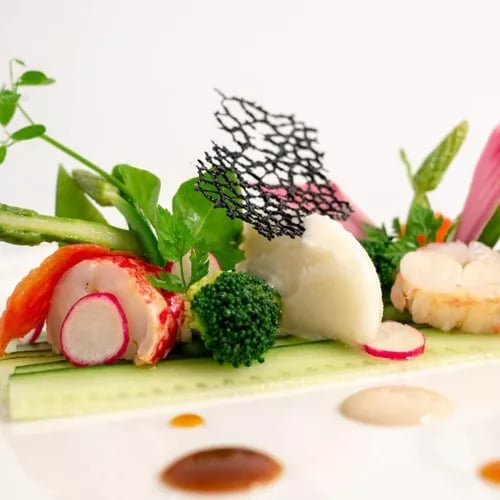
Christophe Quéant's modern façade conceals a historic setting on Place Carnot, steps from the Hôtel-Dieu. The chef—schooled under Robuchon and Ducasse—builds seasonal menus on classical technique, stripping away ornamentation. Sole fillets arrive with mushrooms and tender greens; a Madagascan vanilla soufflé nods to crème brûlée. Exposed stone and beige banquettes frame straightforward precision that earned the kitchen one Michelin star.

★ Michelin
Surrounded by the prestigious Corton-Charlemagne vineyards, this one-starred table showcases Beaune-born chef Rudy Villien's Franco-Japanese sensibility—crab brightened with yuzu kosho, croaker perfumed with kaffir lime. Ingredients arrive from the restaurant's own cottage garden and hives, their freshness amplifying each precise composition. The serene contemporary dining room and vineyard-focused wine list complete an experience calibrated for gastronomes exploring Burgundy's wine country.

★ Michelin· Relais & Châteaux
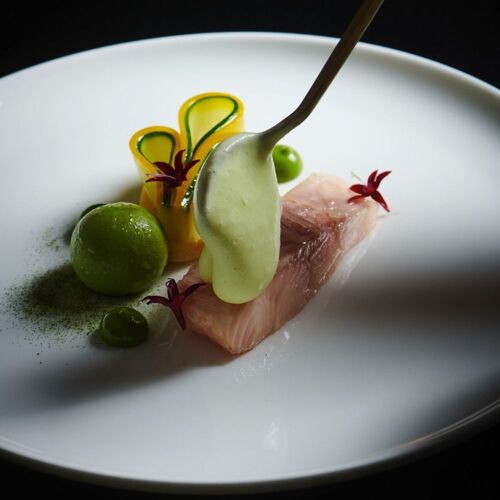
Chef Philippe Augé's one-starred table occupies a graceful white manor on the banks of the Bouzaize, surrounded by seventeen acres of parkland within the Côte de Beaune. His cooking follows classical principles with precision: green carnaroli risotto enriched with frogs' legs and snails, calf sweetbreads paired with petits pois à la française. A trolley of several dozen cheeses and a cellar housing a thousand Burgundy references complete the experience.

Michelin Selected
Chef Rémi Genot returned to his native wine village of Pommard after years refining his craft across Burgundy, bringing a farm-to-table sensibility rooted in family tradition—his father prepares the cuts at the adjoining butcher shop. Dishes layer texture with precision: brill alongside green peas, girolles, and a melissa-scented shellfish jus. The cellar favors regional wines, while Anna Genot orchestrates a warm, unhurried service.

Michelin Selected· Relais & Châteaux
Through the dining room windows of this Renaissance château, the medieval silhouette of Châteauneuf-en-Auxois rises above the Auxois countryside—a view that accompanies refined seasonal cooking rooted in Burgundian terroir. The 16th-century interior retains its period woodwork and neo-Gothic fireplace, while beyond the walls, thirty deer wander twenty acres of parkland. Evening set menus showcase modern technique; Saturday brunch offers a gentler pace.
Michelin Selected
Facing the celebrated slopes of Corton, this vineyard-surrounded restaurant channels Burgundy's terroir through a classically trained chef's meticulous lens. Local producers supply the raw materials for refined Gallic standards—snails prepared with precision, œufs en meurette executed flawlessly—while modern technique sharpens each dish. The sun-drenched patio offers leisurely lunches among the vines, with guest rooms available for those reluctant to leave.

Michelin Selected
L'Expression draws diners to its twin dining rooms—where open kitchens, glazed wine cellars, and high communal tables set a convivial tone—for wood-fired cooking that honors Burgundian terroir. Whole market fish, rib of Galice beef, and plump Bresse Miéral chicken anchor a sharing-focused menu, while the beautifully curated wine list champions regional bottles. The atmosphere skews extroverted and friendly, suiting groups and spontaneous occasions alike.

Michelin Selected
A chef with pedigree from La Côte Saint-Jacques, Lameloise, and La Pyramide brings modern precision to Beaune, composing dishes like arctic char with coral and black lemon powder, or roasted scallops with Bresse saffron and chardonnay sauce. The Michelin Plate distinction reflects a kitchen that favors vibrant, Asian-inflected technique over convention, served in a bright, contemporary space suited to serious diners seeking refinement without formality.
What to Do

Relais & Châteaux
A former Meix bourguignon—the traditional Burgundian farmstead—provides the atmospheric shell for this 750-square-foot wellness retreat within a 17-acre park. The cold bath takes its cues from wine-making vats, a nod to the surrounding Côte de Beaune terroir. Treatment cabins open onto private terraces, while Sisley's plant-based Phyto-Cosmetology protocols guide each session. Indoor pool, hammam, and sauna complete the offering.
Frequently Asked Questions
When is the best time to visit Beaune for wine tourism?
+
The autumn harvest season from mid-September through October offers the most atmospheric experience, when the surrounding vineyards turn golden and the Hospices de Beaune auction draws collectors from around the world. Spring brings warmer weather for cycling the vineyard routes, while winter offers quieter cellars and truffle season menus.
How do I arrange vineyard visits from Beaune?
+
Most prestigious domaines along the Côte de Beaune require advance appointments, often weeks ahead for estates like Domaine de la Romanée-Conti. Négociant houses in town — Bouchard Père & Fils, Joseph Drouhin, Patriarche — welcome walk-ins for cellar tours. Local tour operators offer half-day minibus circuits through Meursault, Puligny-Montrachet, and the Hautes-Côtes.
Is Beaune walkable or do I need a car?
+
The walled town centre is entirely walkable within fifteen minutes end to end. For vineyard excursions, a car or bicycle opens access to village cellars and scenic routes, though organised tours eliminate the need to drive after tastings. The TGV station connects directly to Paris Gare de Lyon and Dijon.




Beaune
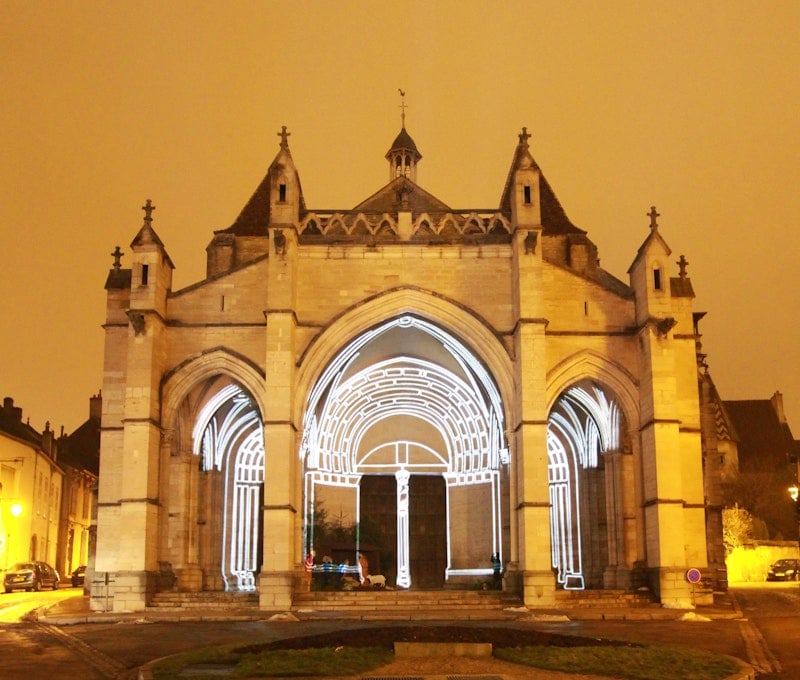
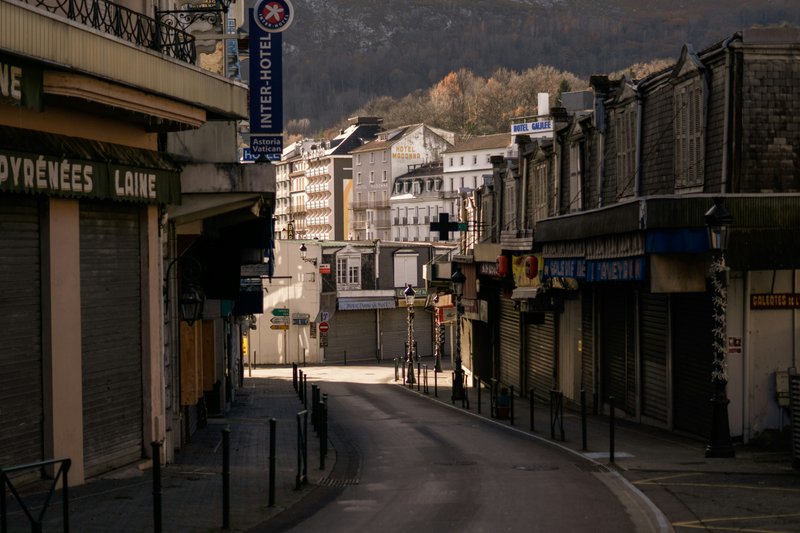
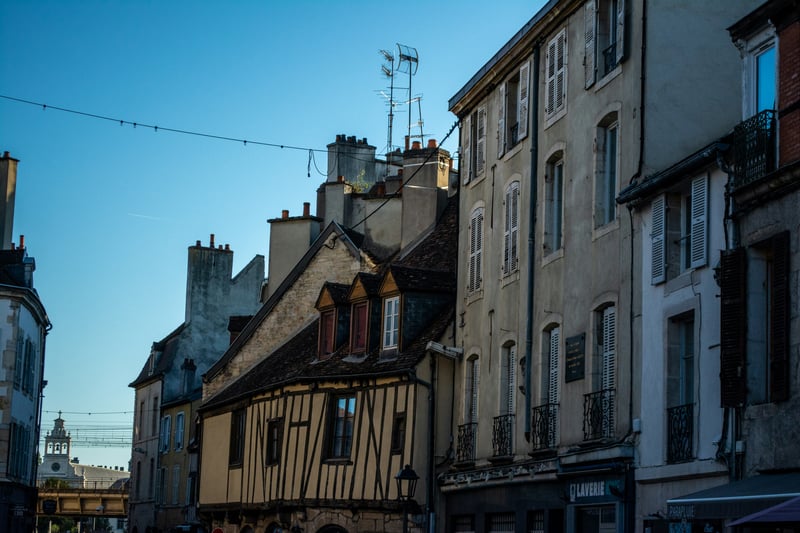
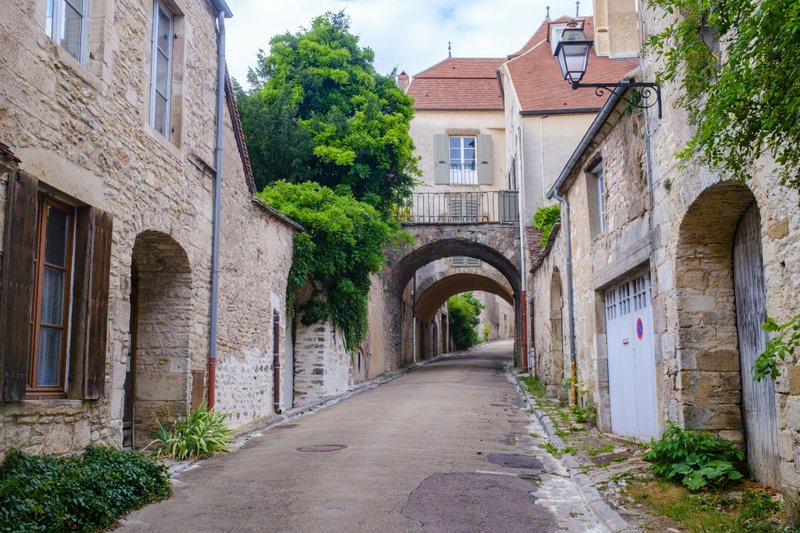
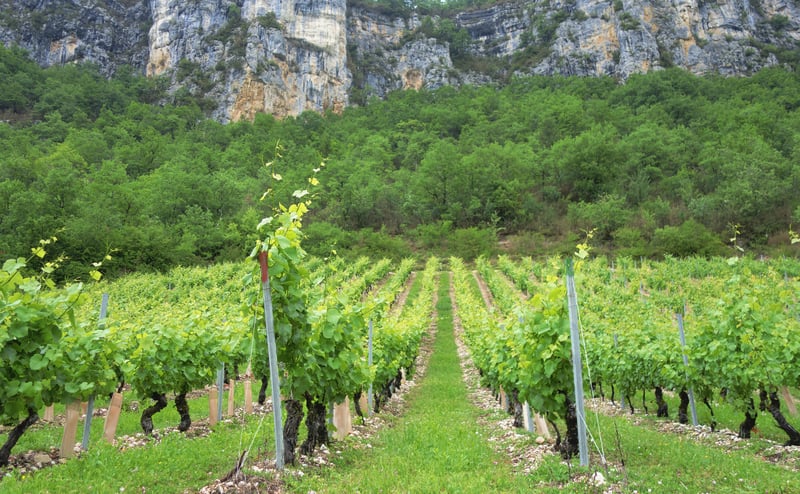
The capital of Burgundy wine sits within medieval ramparts, its cobblestone streets radiating from the Hôtel-Dieu's polychrome roof tiles. The town's compact centre places visitors within walking distance of the Saturday market at Place de la Halle, the négociant cellars along Boulevard Perpreuil, and the shaded terraces of Place Carnot. Beyond the walls, the Route des Grands Crus unfolds northward through Pommard and Volnay toward the Côte de Nuits — a landscape of stone-walled climat parcels designated UNESCO World Heritage. The best historic hotels occupy converted merchant houses and former wine estates, their architecture unchanged since the days when Flemish tapestries hung in the Hospices.
Dining follows the rhythm of the vineyards: autumn brings game and Époisses cheese, spring the first morels from the Morvan forests. The best restaurants range from wood-panelled bistros serving œufs en meurette to contemporary tables pairing tasting menus with vertical Burgundy flights. Brasseries cluster near the tourist office, but the more compelling addresses hide down passages off Rue Maufoux or in converted outbuildings along Rue de Lorraine. Many stylish restaurants now occupy repurposed cellars, their vaulted stone ceilings and candlelit tables setting the tone for evenings that invariably conclude with a marc de Bourgogne.