This lovingly restored 18th-century château commands 120 acres of meadows, vineyards, and old-growth forest outside Montpellier, where Camargue horses roam freely. Thirteen rooms span Belle Époque opulence in sultry reds to grayscale chambers adorned with scientific sketches and accordion lamps. La Table de Biar champions Slow Food principles with estate-grown ingredients, while a Turkish bath, wine cellar, and seasonal outdoor pool complete the rural idyll.
Explore Montpellier
Where to Stay
A meticulously restored 17th-century mansion on Place de la Canourgue, Richer de Belleval layers ornamental classicism with bohemian flair across twenty rooms dressed in velvet and sculptural lighting. Twin chefs Jacques and Laurent Pourcel helm Jardin des Sens, serving southern-infused contemporary cuisine, while an on-site art foundation sustains the property's Enlightenment spirit. The Mediterranean lies minutes away, yet this quiet enclave feels rooted entirely in Montpellier's old-town fabric.
Designer Raymond Morel brought urbane sophistication to the Languedoc countryside, shaping interiors that feel more chic city boutique than country estate. Twenty-six rooms and suites overlook acres of parkland, working vineyards, and gardens planted with heirloom rose varieties. A full-service spa, restaurant balancing healthy and traditional Southern cooking, and pool terrace make this an ideal retreat for travelers seeking a modern take on French wine country.
The Costes brothers left their unmistakable mark on this 72-room Mediterranean retreat, where playful beach hut-inspired bathrooms inject wit into otherwise pared-back elegance. Every room opens onto a private balcony—request sea-facing for the best of it. The pool spills toward a guests-only stretch of sand, while a hammam and jacuzzi provide refuge after salt-air afternoons. A polished seaside escape twenty minutes from Montpellier.
Where to Eat
Twin chefs Jacques and Laurent Pourcel return to their native Montpellier with this Michelin-starred dining room set within a meticulously restored 17th-century mansion. Beneath ornate ceiling frescoes or on the courtyard patio overlooking Place de la Canourgue, their Southern-inflected contemporary cooking refines classic Gallic recipes with inventive flair—a creative vision matched by the architectural grandeur and contemporary art collection surrounding every course.
Chef Charles Fontès, trained under Alain Dutournier at the Carré des Feuillants, earned his Michelin star through intelligent compositions celebrating Languedoc-Roussillon's lesser-known repertoire. The riverside terrace beneath plane trees offers summer respite, while the dining room delivers subtle plays of texture and flavour centered on pristine ingredients—seabream, squid, red mullet, Camargues eels, Lucques olives—demonstrating authentic simplicity over technical showmanship.
Guillaume Leclère's one-Michelin-starred table operates on a singular principle: a daily-changing set menu dictated entirely by what arrives that morning—Mediterranean fish, Pyrenean veal, seasonal vegetables sourced through hyper-local channels. Diners receive only an ingredient list, leaving the precise, stripped-back compositions—asparagus with horseradish and mint, meagre scented with rosemary—to surprise. The sleek dining room, concealed beyond a steel-clad corridor, pairs Montpellier stone with industrial metal and granite.
Daniel Lutrand's market-driven approach at this Michelin-starred Montpellier dining room results in a surprise menu that shifts with each harvest, spotlighting Languedoc producers through dishes like nori-cloaked asparagus with olive-oil-poached seabream and elderflower emulsion. Manager Jean-Philippe Vivant oversees a 600-label wine cellar and spirited service; affordable lunch menus make the one-star experience accessible to a broader audience without diluting the kitchen's refinement.
Laurent Cherchi's one-starred table champions an environmental ethos rare in French gastronomy, presenting both lacto-ovo-vegetarian and fully vegan tasting menus—an anomaly among Michelin-recognized kitchens. Vegetables take center stage through fermentation and extraction techniques, while rigorously local sourcing spans Aubrac beef, Camargue saltbush lamb, and Larzac tomme. Three pared-back dining rooms showcase custom tableware from regional artisans, reinforcing the Green Star philosophy throughout.
Boris Caillol, trained at Le Petit Nice and La Maison Troisgros, brings bold creative modern cuisine to this character-filled stone-walled dining room, earning a Michelin star for his inventive approach. The chef personally selects seasonal produce at Montpellier's organic market, crafting subtle dishes paired with biodynamic regional wines. Contemporary fixtures and soft lighting contrast with historic architecture, while Coralie Semery orchestrates graceful service for a refined gastronomic occasion.
Surrounded by 17 hectares of Verchant vineyards, Marcelle occupies a light-filled contemporary dining room within a 16th-century wine domaine just outside Montpellier. The kitchen draws directly from its own cottage garden, translating seasonal produce into modern Mediterranean plates that pair naturally with estate wines. A stepped terrace offers sweeping views across the countryside—ideal for leisurely lunches rooted in terroir.
Clément Briand-Seurat's intimate dining room occupies a vaulted medieval chamber, its rough oak tables lit by candlelight against centuries-old stonework. A single tasting menu showcases regional growers and breeders through precise technique—house-pressed oils, delicate crumbles, aerated siphon textures—culminating in a mushroom consommé that evokes an autumn forest floor. Modern Cuisine with a Michelin Plate, suited to romantic evenings and culinary enthusiasts seeking refined, terroir-driven cooking.
Philippe Combet honed his craft at Château de Mercuès before settling in this Hérault village, bringing southwestern finesse to seasonal Languedoc ingredients. His kitchen celebrates the calendar with dedicated truffle and asparagus menus, while Quercy lamb anchors heartier plates. The chef's wife orchestrates front-of-house with polished warmth—a genuine address for regional gastronomy worth the short drive from Montpellier.
Le Petit Jardin earns its Michelin Plate distinction with modern seasonal cooking served on one of Montpellier's most enchanting terraces, surrounded by verdant gardens. The glass-walled dining room maintains a bucolic calm, while the kitchen delivers refined plates culminating in a showstopping trompe l'œil lemon dessert with fleur de sel sablé and lemon sorbet. A more casual bistro serves international fare for those seeking lighter options.
What to Do
Spreading across 21,500 square feet within a 16th-century country estate, Le Spa Verchant commands views over 17 hectares of working vineyards just outside Montpellier. Eight treatment rooms anchor a complete thermal circuit—sauna, hammam, outdoor jacuzzi, Nordic cold bath—while the indoor pool's counter-current system and massaging jets provide active recovery. The surrounding parkland extends the Mediterranean wellness philosophy beyond the spa walls.
Frequently Asked Questions
Which neighborhoods in Montpellier offer the best atmosphere for visitors?
+
The Écusson, Montpellier's historic centre, provides the most atmospheric experience with its pedestrianised streets, Renaissance mansions, and concentration of restaurants and boutiques. The Antigone district appeals to architecture enthusiasts, while the Port Marianne area along the Lez river offers a contemporary contrast with waterfront promenades and modern dining venues.
What is the best time of year to visit Montpellier?
+
Late spring (May-June) and early autumn (September-October) offer ideal conditions—warm temperatures without summer's intense heat, active terrace culture, and the grape harvest period in surrounding vineyards. July and August bring festival season but also crowds and temperatures exceeding 30°C. Winter remains mild compared to northern France, with outdoor café culture continuing year-round.
How accessible are the beaches from central Montpellier?
+
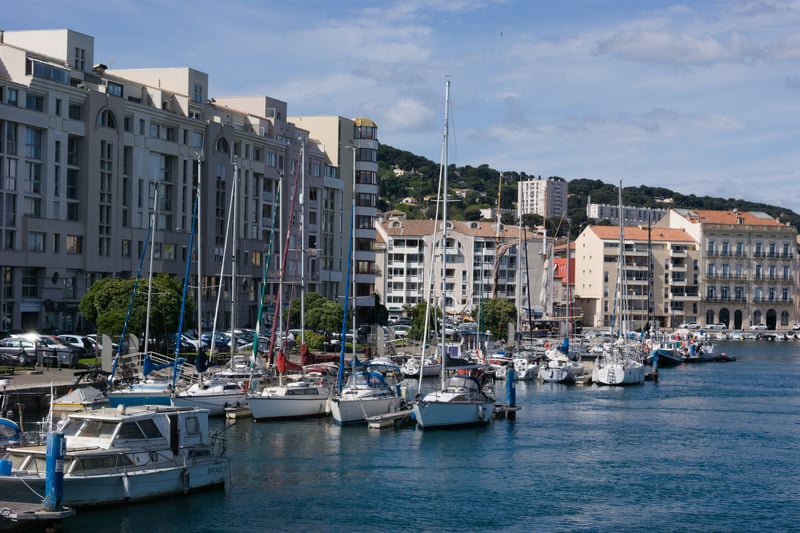
The Mediterranean coast lies roughly fifteen kilometres south of the city centre. Palavas-les-Flots and Carnon-Plage are reachable by tram and bus within thirty minutes. The wider Camargue coastline and the fishing port of Sète—known for its Italian-inflected maritime culture—require a car but sit within forty-five minutes of the city.
Nearby Destinations
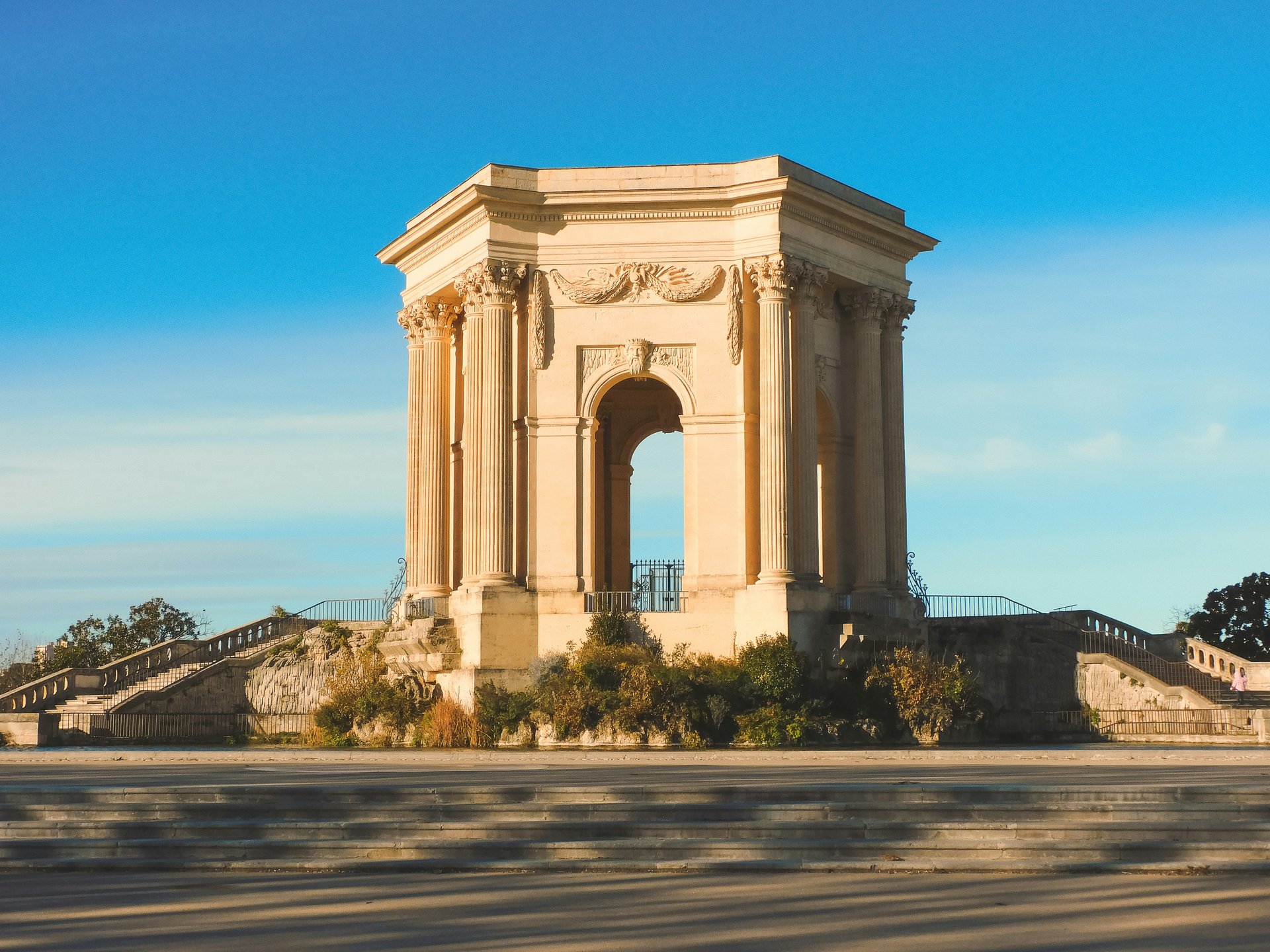
Explore FranceMontpellier's medieval Écusson district unfolds through narrow lanes where seventeenth-century hôtels particuliers hide courtyards planted with oleander and fig trees. The Place de la Comédie anchors city life, its cafés spilling onto the limestone expanse while the Antigone quarter—Ricardo Bofill's neoclassical urban experiment—stretches toward the river Lez. Summer evenings draw crowds to the Esplanade Charles de Gaulle, where plane trees filter the Mediterranean light that has attracted artists and intellectuals since the university's founding in 1220.
The dining scene reflects Languedoc's position between Provence and Catalonia. Chefs work with Camargue salt, Pic Saint-Loup wines, and seafood from Sète's fishing boats. Explore the city's finest restaurants for contemporary French cooking, or seek out terrace dining in the old town's hidden squares. The Marché des Arceaux on Tuesday and Saturday mornings remains essential—farmers from the garrigue hills sell goat cheese, olives, and herbs while wine producers pour samples of Grès de Montpellier appellations.