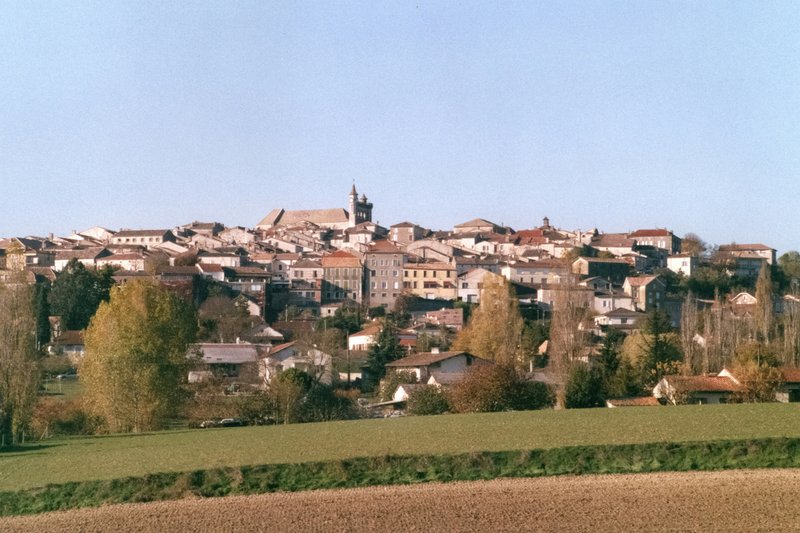
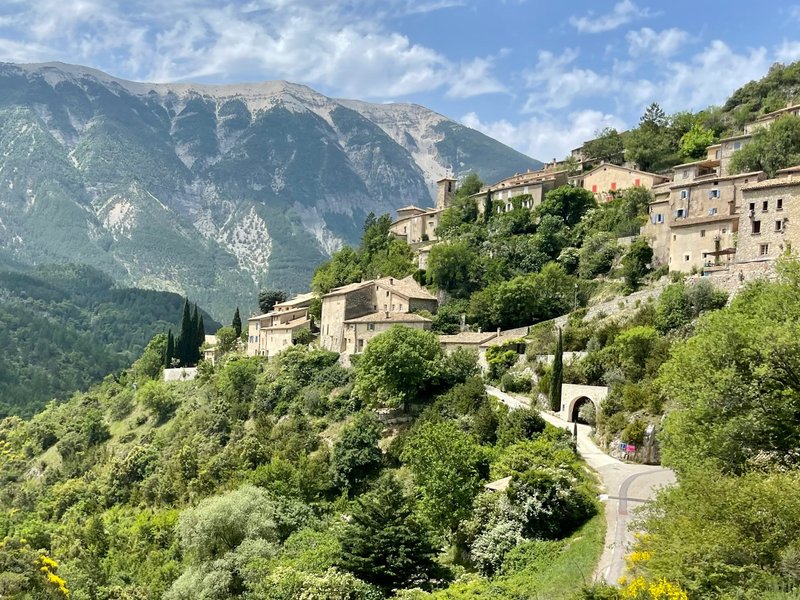
The Alpilles massif rises from the plain like a pale limestone spine, sheltering two distinct settlements that have drawn artists and aesthetes for generations. Saint-Rémy-de-Provence spreads along the northern foothills — a proper market town with Wednesday morning vendors spilling across Place de la République, antique dealers clustered around Rue Carnot, and the asylum where Van Gogh painted Starry Night still standing at the edge of the Roman ruins of Glanum. The town operates on Provençal time: shutters close between noon and three, café terraces fill by six, and the scent of lavender drifts from soap shops along the pedestrian streets.
Les Baux-de-Provence occupies a rocky spur eight kilometres south, its medieval ramparts visible from the valley floor. The village itself is small — a single main street lined with galleries and craft shops — but the surrounding Val d'Enfer and the converted quarries of Carrières de Lumières draw visitors for the landscape as much as the architecture. Hotels here tend toward converted farmhouses and bastides scattered among olive groves, many with views stretching to the Camargue. The dining scene reflects both villages' artistic heritage: chefs work closely with local producers, menus change with the seasons, and meals unfold slowly on candlelit terraces beneath plane trees.