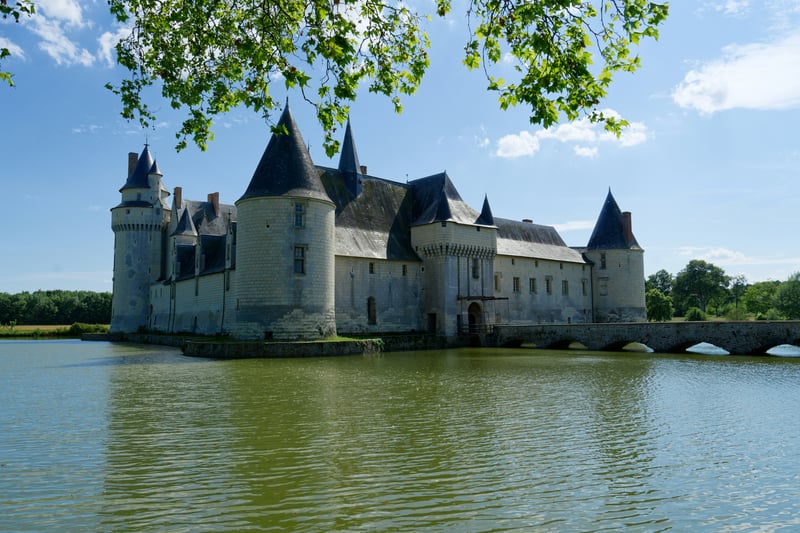
This early 19th-century château turns lodging into global expedition: seventeen rooms and suites each honor a different destination, from leopard-print Minuit à Paris to tent-canopied Mongolie mon Amour. Guests move through gardens themed by continent, dine on brasserie classics at Table du Marquis, then descend to a Cinq Mondes spa set within vaulted medieval cellars—or book outdoor massage in the bamboo-ringed Gazebo. Bar Zélélé runs regular sommelier workshops and mixology sessions.
Explore Nantes
Where to Stay
Where to Eat
Jean-Yves Guého's Michelin-starred table occupies an 1874 manor overlooking the Loire, where panoramic windows frame passing boats and the iconic Titan crane. Trained at Auberge de l'Ill before stints in New Orleans and Hong Kong, the Breton chef delivers refined, fish-forward Modern Cuisine: spider crab chilled in vegetable ravioli with Le Croisic seaweed, green asparagus from Longué with smoked pike roe. A Loire-focused wine list complements tasting menus, including bespoke vegetarian options.
Within the historic walls of Abbaye de Villeneuve, this one-Michelin-starred table delivers refined traditional cuisine with a pronounced Loire Valley accent. The kitchen's mastery reveals itself in meticulously crafted sauces and concentrated jus that punctuate each dish. Two elegantly appointed dining rooms provide the setting, while an impressive regional wine selection at accessible prices completes an experience suited to celebratory meals.
Fifth-generation chef Mathieu Pérou earned his Michelin star and Green Star cultivating greenhouse produce and foraging the Erdre river for ikejime-prepared sandre and silure, alongside poultry from La Ferme des Marais dressed with kimchi and local citrus. His sister Anne-Charlotte, recognized by Michelin for exceptional service, oversees the chic dining room near the riverbank. Tasting menus span modern French invention, from carp in oxtail bouillon to rigolette nantaise desserts, paired with 350 French wine references.
Ludovic Pouzelgues, alumnus of Michel Troisgros's kitchens, operates this one-star table on Nantes's île with a blind tasting format running three to seven courses depending on the day. Daily fish comes direct from La Turballe and Le Croisic auctions; the industrial dining room beneath an Eiffel-inspired ceiling holds a central wine cellar stocked with biodynamic Loire bottles and, in warmer months, an interior garden for open-air service.
Perched atop a parking structure in a luminous greenhouse named for the Norse goddess of fertility, chef Sarah Mainguy's one-star dining room showcases poetic, largely plant-based cooking inspired by Scandinavia and Japan. Seasonally shifting menus—organized by 'edible spaces' from coastline to forest floor—draw on a rooftop garden of herbs and berries, yielding inventive compositions like dulse-smoked tarama with mussel jus and Mesquer pigeon finished over charcoal with smoked eel.
Brothers Charles and Tristan Bernabé earned their Michelin star in 2023 with a confident blend of classical technique and family heritage—Breton traditions from their grandmother, North African influences from their father. Charles sources impeccable vegetables from local growers and prime fish from nearby markets, composing precise, flavour-driven plates served in a retro 1950s dining room. A four-course lunch menu keeps fine dining accessible without diluting ambition.
Chef Romain Bonnet's Michelin-starred table takes its name from a Korean berry prized for balancing five distinct flavors—a philosophy that shapes every dish on his creative surprise menu. Radish and seaweed gnocchi layer acidic brightness against spiced shrimp, while flawlessly executed sauces anchor line-caught pollack and Vendée squab sourced from organic farms. The infectiously cosy dining room and unstarched service make refined Asian-inflected cooking feel approachable rather than ceremonial.
A nineteenth-century castle on the outskirts of Nantes provides the theatrical backdrop for this Michelin-recognized table. Guests dine beneath ornate mirrors and carved fireplaces, surrounded by Napoleon III furnishings and parquet floors that speak to aristocratic tastes. The kitchen delivers modern French cuisine calibrated to contemporary palates, making it a compelling choice for romantic occasions or celebratory dinners in historic surroundings.
Chef Maxime Fillaut, honed at La Mare aux Oiseaux and Le Clarence, leads a kitchen grounded in daily market sourcing and seasonal intuition. Inside a luminous stone-fronted dining room near the old quarter, his plates celebrate restraint and clarity: fondant gnocchi with almond pistou, vegetable carbonara crowned with paprika-glazed celery, meadowsweet parfait laced with blossom honey. Service moves briskly, letting the produce speak for itself.
British chef Dominic Quirke brings a decade of local expertise to this industrial-chic dining room, where modern cuisine draws from Asian travels and organic producers in the Loire countryside. His menu balances indulgence with vegetable-forward invention: puff pastry chicken pie with vin jaune, Vendée pork alongside beetroot and kale, or a coulibiac layering cauliflower, seaweed, and shiitake. Expect bold flavors, a pop-rock soundtrack, and the chef himself emerging to chat in English.
Frequently Asked Questions
Which Nantes neighbourhoods are best for dining and accommodation?
+
Graslin and Bouffay offer the highest concentration of restaurants and hotels within walking distance of cultural landmarks. The Île de Nantes appeals to travellers seeking converted industrial spaces and contemporary architecture, while the area near the Jardin des Plantes suits those wanting quiet residential streets close to the historic centre.
What local ingredients define Nantes cuisine?
+
The estuary position means menus lean heavily on Atlantic seafood: Guérande salt-marsh lamb, Pornic oysters, Loire sandre, and butter from nearby dairy farms. Muscadet from surrounding vineyards pairs with shellfish platters, while beurre blanc — invented here — remains a regional signature.
How accessible is Nantes from Paris and other French cities?
+
High-speed TGV trains connect Nantes to Paris Montparnasse in roughly two hours and fifteen minutes. Direct services also reach Bordeaux, Lyon, and Lille. The compact city centre is easily navigated on foot or by tram, with the airport located fifteen minutes southwest by shuttle.
Nearby Destinations
Explore FranceNantes sprawls across the Loire's final stretch before the Atlantic, a city shaped by maritime trade and industrial reinvention. The former Dukes of Brittany held court here; their restored château now anchors a cultural district where nineteenth-century townhouses line the Île Feydeau and converted warehouses punctuate the Île de Nantes. The dining scene pulls heavily from nearby waters — Atlantic oysters, Loire pike-perch, sea bass from Le Croisic — prepared in gastronomic addresses and casual bistrots alike.
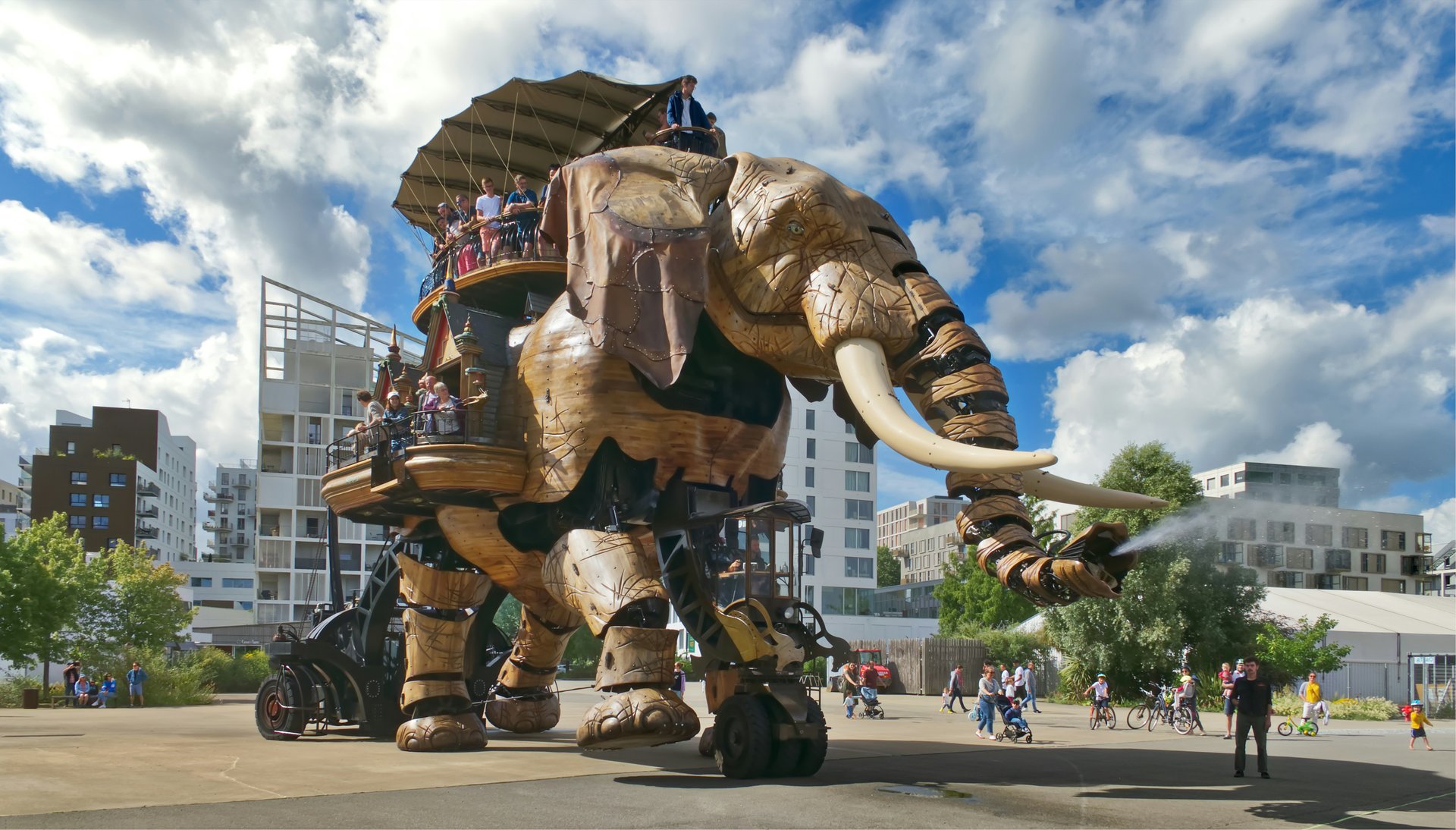
Graslin, with its neoclassical theatre and covered Passage Pommeraye, remains the city's commercial heart; Bouffay's medieval lanes host market stalls and traditional French tables. South of the river, the Machines de l'Île — Jules Verne's mechanical bestiary made real — draws crowds to hangars where shipbuilders once worked steel. Hotels range from converted mansions near the Jardin des Plantes to contemporary properties overlooking the quays. The Voyage à Nantes trail threads public art through neighbourhoods each summer, but the city's appeal extends year-round: a compact centre, accessible TGV links to Paris, and a culinary identity rooted in estuary produce and inventive modern cooking.